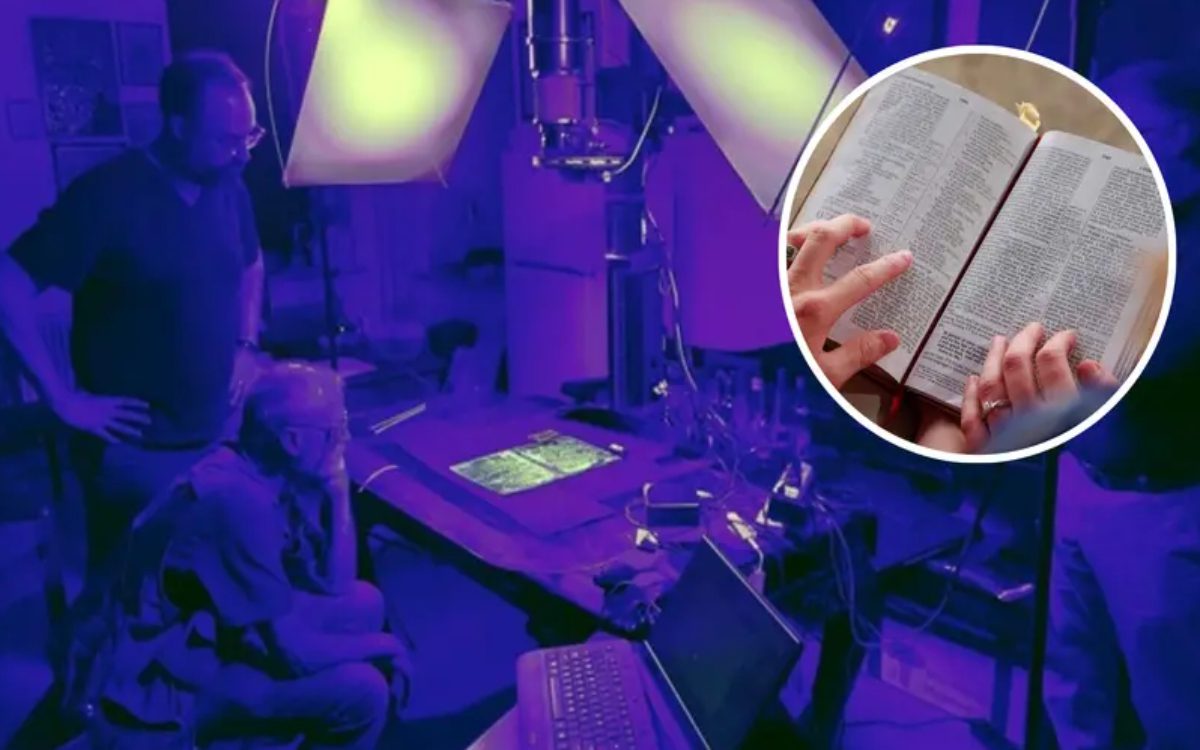
In a dimly lit room filled with the musty smell of old parchment, renowned New Testament scholars gathered, their hearts beating with a shared sense of excitement. The hum of anticipation enveloped them as they prepared to unveil something extraordinary — a manuscript of the New Testament that had been long forgotten, perhaps even lost to time. This moment, teetering on the edge of history and discovery, took place in September 2023, within the stone walls of a historic monastery in southern Italy.
The manuscript, which previously lay hidden, was dusted off, its fragile pages eagerly revealing their ancient text. Scholars from various parts of the world, led by prominent researcher Dr. Lucia Mariani, meticulously examined the relic, piecing together its significance. “This is not just ink on paper; this is a window into the faith of early Christians,” Dr. Mariani remarked, her eyes glistening with reverence. The manuscript, thought to date back to the 3rd century, could redefine current understanding of the early church and scriptural nuances.
As they carefully transcribed the ancient Greek text, familiar verses sprang to life. The words echoed with truths that have shaped Christian doctrine for centuries. Among them, sections from the Gospel of Matthew and letters from Paul burst forth in vivid detail. “When I saw the phrase ‘For God so loved the world that he gave his one and only Son,’ it felt surreal. It made me feel connected to the very roots of our faith,” said Dr. Samuel Garcia, another researcher involved in the recovery. This discovery not only reinstated passages long discussed in theological circles but also ignited fresh conversations about the intent and interpretation of Scripture.
This manuscript’s journey back into the light of scholarly scrutiny illuminates the ongoing quest for understanding the early Christian community. Comparisons against existing texts will reveal possible variations that reflect the diverse practices among early believers. “Each phrase could tell us something nuanced about how faith was lived out in different regions,” Dr. Mariani explained, emphasizing the potential for richer theological discourse.
This isn’t merely an academic endeavor; it serves a deeper purpose in the hearts of believers. For many, the recovered manuscript rekindles a sense of wonder about their faith’s history. It is a testament to the vital importance of Scripture across generations, encouraging a closer examination of one's beliefs and daily living. The echo of Hebrews 4:12 rings true: “For the word of God is alive and active. Sharper than any double-edged sword…” This moment in history reminds Christians worldwide of the enduring power of the Word.
As word of the manuscript spreads, curiosity grows about the implications of its findings. What will this mean for translations and interpretations in the modern era? Could it influence future discussions in churches or spark a revival among community gatherings? The exploration of these ancient texts offers more than just academic pursuits; it opens doors for deeper connection with God and one another.
Researchers will set out to publish their findings in early 2024, promising a Definitive Edition of the recovered manuscript. This effort will provide insights not just for scholars, but for anyone seeking to understand the essence of their faith more profoundly. Through the ages, God has safeguarded His word, and now it stands, newly revealed, inviting believers into a richer tapestry of faith.
The excitement surrounding this discovery is a testament to the living nature of God's word, reminding each of us that our relationship with Him is woven through both the past and the present. As community members prepare for the publication, discussions about the historical impact of these texts are just beginning, hinting at a future filled with new understanding and inspiration for many generations to come.