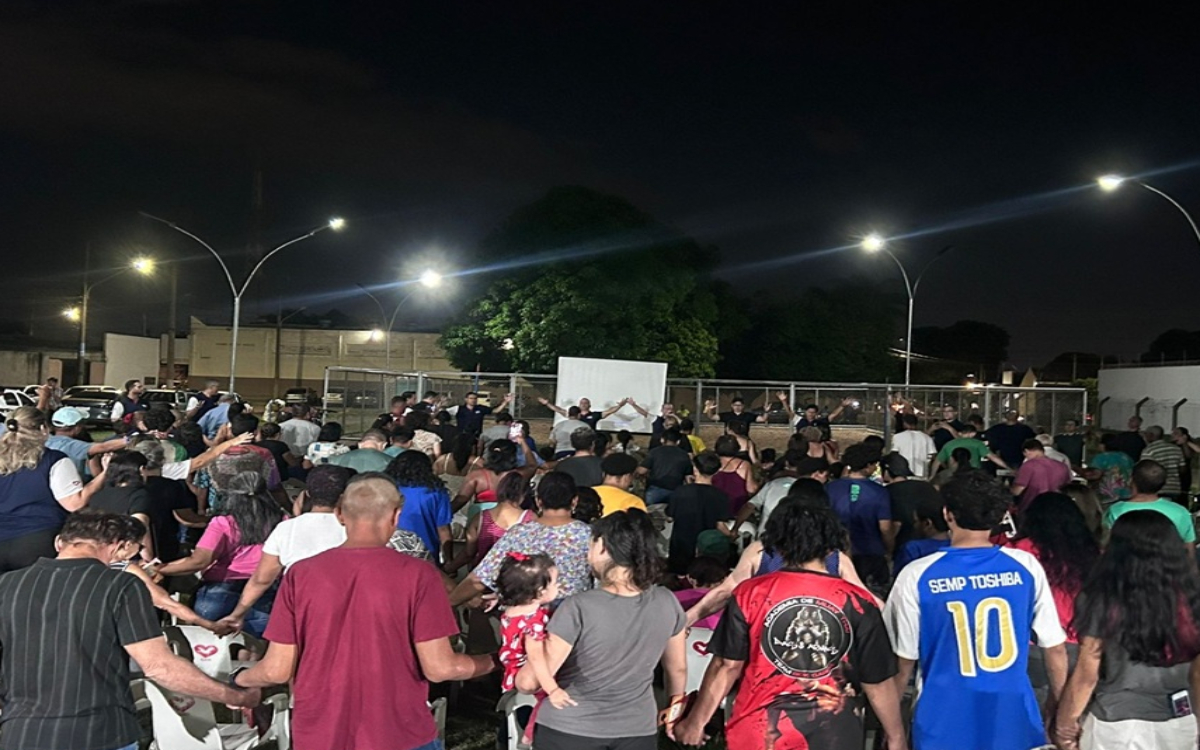
The air was thick with emotion as I stepped into a bustling church in downtown Cairo, just a stone's throw from Tahrir Square. It was a pivotal moment in Egypt's history—a time when the nation was engulfed in a tumult of protests and unrest. Last evening, this church transformed into a sanctuary, a place for almost 1,000 believers to gather in fervent prayer, crying out to God amidst their struggles. The sense of urgency was palpable; the congregation knew they were in the midst of something momentous.
As the melodies of worship rose, I felt the collective spirit of the room envelop me. I usually approach prayer with a reserved heart, hesitant to fully display my emotions. But last night was different; the desperation of the moment seemed to overshadow my inhibitions. Even though I couldn’t understand the words spoken in Arabic, I found myself swept up in the heartfelt pleas for God's mercy and strength.
The pastor stood at the front, his voice rising above the throng, alternating between sobs and shouts, invoking God's presence in a country reeling from fear and uncertainty. It struck me how raw and real the prayers were, blending confession and rejoicing, lamenting and pleading. Through the haze of tears and the tears of worship, I joined in—my own prayers echoing a familiar rhythm as I reminded God of His promises, asking Him for comfort and hope for His bride in Egypt.
In that chaotic ambiance, the pastor or worship leader would often share thoughts that resonated with my own. References to Scripture and heartfelt requests matched the burdens I was carrying, reinforcing the presence of God in our midst. Each moment of synchronicity felt like a powerful affirmation—a confirmation of divine response piercing through the grief and confusion.
Many vibrant voices within Egypt's church shared inspiring narratives of hope. They spoke of a year when prophecies were coming to fruition, a time of boldness emerging from darkness and despair. Surprisingly, rather than characterizing their existence as mere survival under persecution, the believers viewed their situation as a church under pressure, much like iron being forged into steel. This resilience is marked by an overwhelming sense of the Holy Spirit's guidance, an unshakeable resolve palpable as they aided the wounded streaming into makeshift hospitals set up within their courtyards.
Despite the fearsome reality painted in news headlines—bombings and riots that split the air—these believers inspired hope. Their leaders echoed a united sentiment: "The wall of fear is broken." Each testimony bolstered the courage of those at the forefront of mission work in Egypt, urging them to step out in faith and purposefully engage a hurting world, even when chaos encroached. The momentum swelling within the church felt like a tsunami of change—a revolution imbued with grace and faith.
This night marked more than just a prayer gathering; it represented a collective awakening. Looking ahead, I couldn't help but feel an electric anticipation in the air. Could it be that this disruption, birthed from despair yet steeped in prayer, would lead to a transformative era for Egypt? Indeed, change was on the horizon, not just for the church but for the very fabric of the nation. Egypt's Revolution was rising, and it was rooted in the powerful prayer of its people, a prayer unyielding against the tides of adversity.