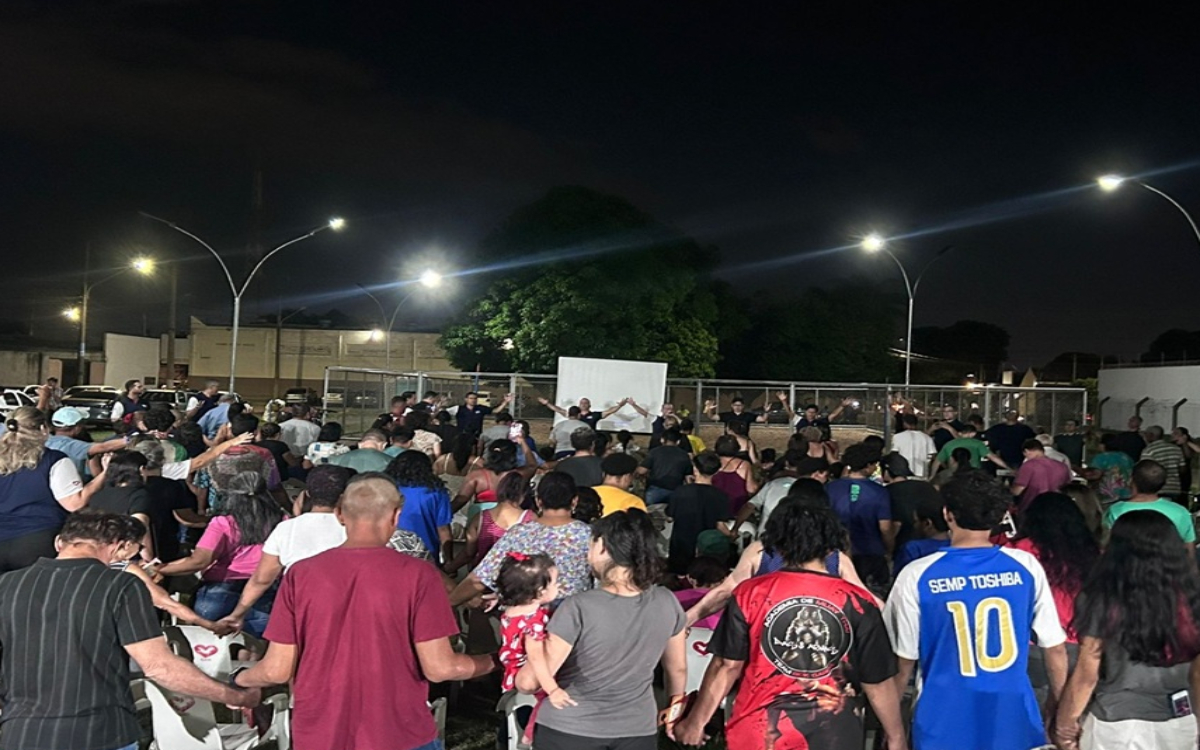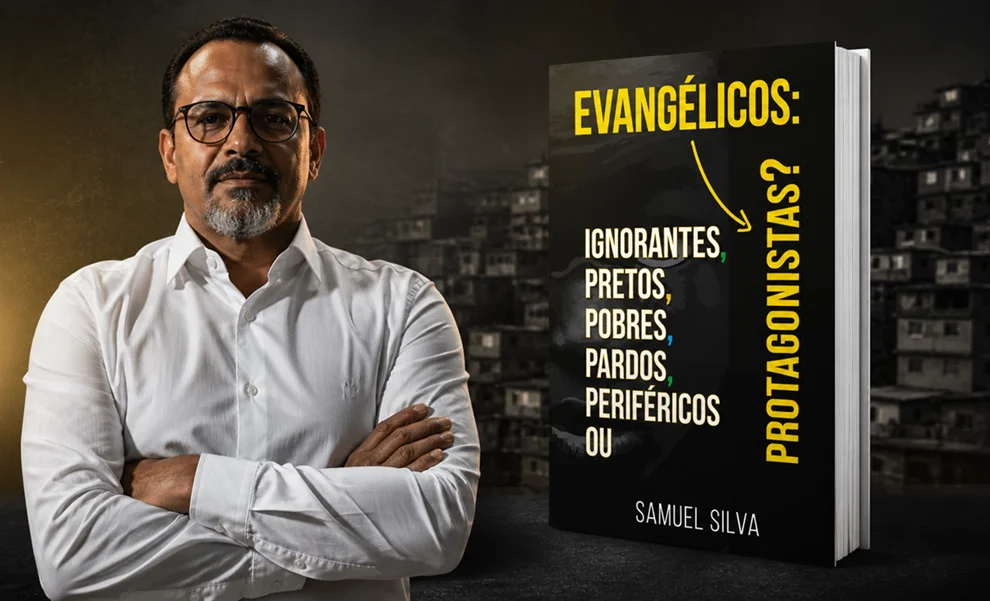
In the vibrant and often chaotic streets of Brazil's urban peripheries, a quiet revolution is unfolding. Amid the lively sounds of street vendors and the spirited exchanges of community members, an increasing number of people are finding hope and purpose in faith. Evangelicals now represent 26.9% of Brazil’s population, a notable surge from the 12.2% recorded two decades ago. This transformation is explored in a compelling new book titled “O Avanço da Igreja Evangélica nas Periferias” (“The Advancement of the Evangelical Church in the Peripheries”), authored by sociologist Ricardo Ribeiro, which dives deep into the heart of this phenomenon.
As Ribeiro conducts his research, he steps into communities that seem to pulse with newfound energy and purpose. In one particularly eye-opening chapter, he paints a picture of a small evangelical congregation in São Paulo’s periphery, where people gather not only for worship but also for practical support, education, and fellowship. This congregation has become a pillar of hope for families struggling with poverty and insecurity, demonstrating how faith can be a powerful catalyst for community development.
“There is a hunger for God’s word here," Ribeiro notes, referencing numerous interviews with local residents who have turned to the church not just for spiritual nourishment but as a source of emotional and social support. He recounts their stories: single mothers finding childcare during services, unemployed men discovering job training programs through their church, and teenagers learning valuable life skills instead of falling into the cycle of violence that often permeates their neighborhoods. In moments of vulnerability and struggle, the faith community wraps around them with a steadfast love, much like the biblical passage from 1 Peter 4:8, “Above all, love each other deeply, because love covers over a multitude of sins.”
Ribeiro’s research reveals that many evangelical leaders are recognizing the importance of addressing the unique challenges faced by peripheral communities. This has spurred the creation of initiatives designed to empower individuals and families, helping them break free from the constraints that poverty often enforces. "Church leaders understand that they’re not just there to preach; they’re there to lead their communities into a brighter future," Ribeiro shares with a sense of hope.
The book also tackles the intersection of faith and social justice, documenting the active role churches play in advocating for the marginalized. For instance, Ribeiro discusses how congregations have rallied around the issue of violence against women, organizing workshops and support groups that empower women to reclaim their voices and choices. These are not isolated efforts; they are part of a collective movement that challenges the systemic issues affecting their neighborhoods.
The implications of Ribeiro’s findings stretch far beyond the local realms. They highlight a growing trend within Brazilian society, where the evangelical community is not only increasing in number but also in influence—transforming public perceptions and policy discussions around social issues. This newfound advocacy aligns with the words of Jeremiah 29:7, “Also, seek the peace and prosperity of the city to which I have carried you into exile. Pray to the LORD for it, because if it prospers, you too will prosper.”
As the sun sets over the favelas and vibrant neighborhoods of Brazil, the churches continue to buzz with life. They have become more than just places of worship; they are beacons of hope, compassion, and action. With every story Ribeiro collects, one thing becomes unmistakably clear: the evangelical church is not just advancing; it is transforming the very fabric of society, inviting countless souls to experience renewal and purpose.
Looking ahead, the future for these communities seems bright. As more leaders emerge from within these congregations, equipped with both faith and understanding of their unique environments, the potential for lasting change becomes ever more tangible. The echoes of their efforts will resonate throughout Brazil, setting a compelling example of how faith, when combined with action, has the ability to alter destinies and inspire transformation.