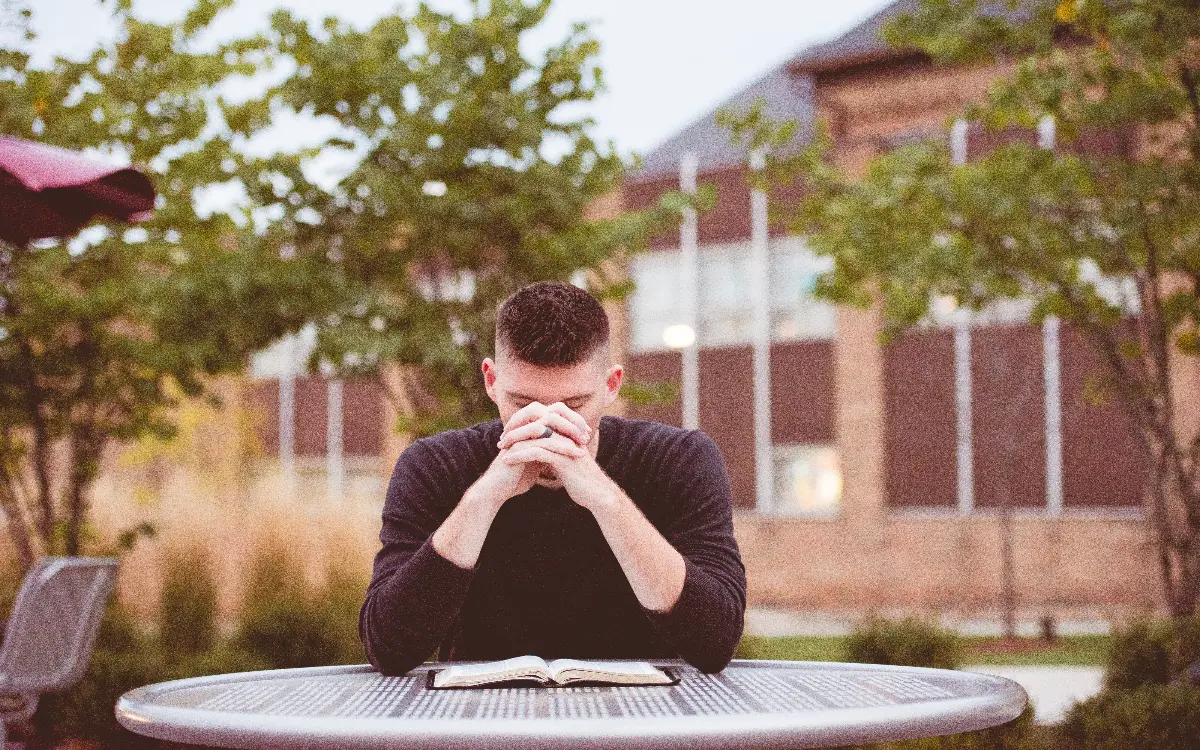
On a sunlit afternoon in a bustling café in Rio de Janeiro, Maria, a recent college graduate, sits at a corner table lost in thought. Her fingers trace the edge of her Bible, a cherished gift from her grandmother, who always encouraged her to lean into her faith during life’s challenges. Just months ago, Maria faced overwhelming anxiety as she navigated the pressures of final exams, job applications, and the uncertainty of her future. But instead of succumbing to despair, she found strength in her spirituality, a lifeline that helped her not only survive but thrive.
Recent research coming from the University of São Paulo is shedding light on experiences like Maria’s, revealing how faith plays a significant role in the mental health of young people. This study, which focused on over a thousand university students, found that those who actively practiced their faith reported lower levels of anxiety, depression, and loneliness. In fact, approximately 43% of participants indicated that their religious beliefs positively influenced their mental well-being.
What does it mean to “practice faith”? For many of those surveyed, it encompassed engaging in weekly worship, participating in prayer groups, and leaning on community support. Participants shared testimonies of how their relationships with God became vital during periods of emotional turmoil. One anonymous student remarked, "In moments of darkness, I learned to lean on God, and through prayer, I found peace that I couldn’t find anywhere else."
The study’s significance extends beyond the numbers. Researchers are not just examining the correlation between faith and mental health; they are reminding us of the power of hope and community in shaping resilience among youth. “Faith can act as a protective factor,” states Dr. Helena Martins, one of the lead researchers. "It provides a stable sense of identity and purpose, which is crucial in a world that seems increasingly chaotic."
This statement resonates deeply with young individuals such as Lucas, who battled depression during high school. For him, attending youth group meetings at his local church became more than just a routine; it was a refuge where he felt understood and accepted. "Every time I walked into church, it felt like coming home," Lucas recalls. "The people there showed me God’s love, and that slowly pulled me out of my darkest days."
As Maria closes her Bible, she remembers a scripture that has comforted her: Philippians 4:6-7, which speaks of the peace that surpasses all understanding, a promise that has transformed her worries into prayers. It’s a sentiment echoed by countless youth navigating similar struggles. The study suggests that engaging with one’s faith fills not only hearts but also minds, leading to improved coping strategies for handling stress.
Looking ahead, as mental health continues to capture the attention of both communities and scholars alike, the findings from this study challenge a broader cultural narrative that sometimes overlooks the spiritual dimension of well-being. They encourage faith communities to further embrace their role in supporting mental health recovery and resilience, reinforcing connections and open conversations about emotional struggles within religious contexts.
As she leaves the café, Maria smiles, imagining a future where faith serves as a foundation, empowering her and others to face life’s uncertainties with courage, hope, and an unwavering spirit. The evidence is clear: faith is not just a personal journey but a vital thread woven into the fabric of mental health, capable of uplifting and transforming the lives of young people worldwide.