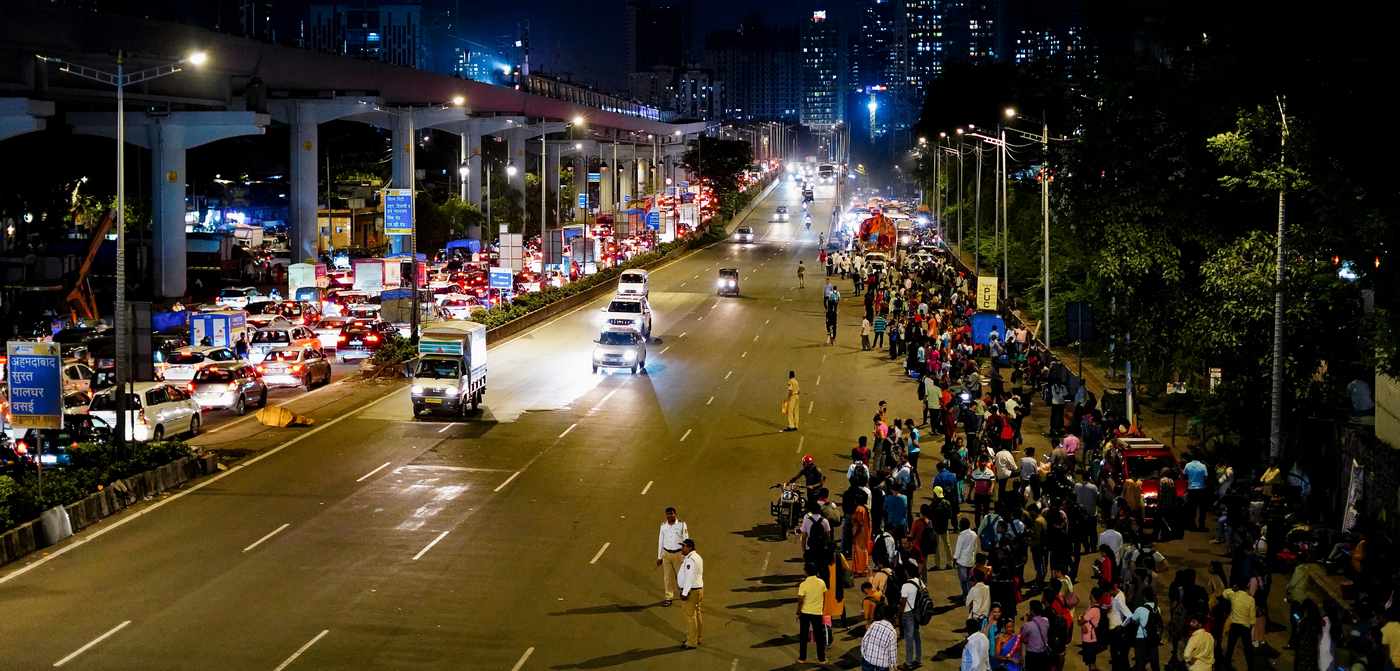
On a bustling street in Mumbai, a young man named Ramesh stood frozen as he witnessed a horrific scene unfold before his eyes. A motorbike collided with a car, leaving the rider sprawled on the asphalt, blood pooling around him. As panicked onlookers gawked from a distance, Ramesh felt an undeniable tug in his heart—a call to help. Yet, the hesitance of what might happen if he intervened loomed large in his mind. Would he be blamed for the accident? Would he face police scrutiny? Such fears had historically discouraged many from stepping up in emergencies, a reality that troubled the streets of India.
In response to this pervasive reluctance, on October 18, 2023, India enacted its new 'Good Samaritan Laws,' a transformative set of regulations aimed at encouraging citizens to assist victims of road accidents without the fear of legal repercussions. The legislation was a vital step in a country where road accidents claimed nearly 150,000 lives in just one year, according to government data from 2021, making it one of the deadliest places for road traffic incidents globally.
The laws create a supportive framework, offering both legal protection and incentives for those who act bravely. Each citizen who renders assistance can be rewarded with up to ₹20,000, about $240—a sum that speaks volumes in a nation where the average monthly wage is significantly lower. Furthermore, witnesses who step forward to help will no longer have to bear the burden of legal proceedings or face intimidation, as the laws compel authorities to treat such cases with compassion rather than confrontation. “We want people to understand that helping in such a situation is not just noble, but also their legal right,” affirmed Minister of Road Transport and Highways Nitin Gadkari.
As the laws rolled out in urban and rural areas alike, positive stories began to emerge. In his community, Ramesh found newfound courage. One evening, he saw another accident—a pedestrian in distress. Remembering the new law, he rushed to the scene, called for an ambulance, and remained with the injured man until help arrived. His actions, fueled by compassion rather than fear, drew praise from onlookers, inspiring many of them to do the same in the future.
The impact of the 'Good Samaritan Laws' extends beyond personal stories; it reflects a broader cultural shift towards collective responsibility. Community leaders and advocacy groups have mobilized to spread awareness about these laws, holding workshops and town hall meetings to ensure everyone comprehends the significance of the legislation. “It’s about radically changing our mindset,” said Priya, a community organizer. “We need to foster an environment where helping each other is second nature.”
The emotional ramifications of helping those in need are profound. In a country where the plight of road accident victims often goes unnoticed, the very act of reaching out creates a ripple effect—one that offers hope to the afflicted and nourishes the spirit of humanity. With the laws providing a safety net, citizens are beginning to embrace their roles as Good Samaritans.
As Ramesh reflects on his transformation from a bystander to an active participant in social change, the essence of the law resonates deeply within him. “Every life matters,” he says, his conviction bubbling with passion. “I know now that I have the power to make a difference.”
Looking ahead, the hope is that these laws will not only save lives but also enrich a culture of kindness and solidarity in India. The seeds of change have been sown, encouraging each passerby to look beyond themselves and recognize the value in taking action. In a world increasingly prone to indifference, the ‘Good Samaritan Laws’ stand as a testament to the power of community—a divine calling to love one's neighbor as oneself (Mark 12:31).