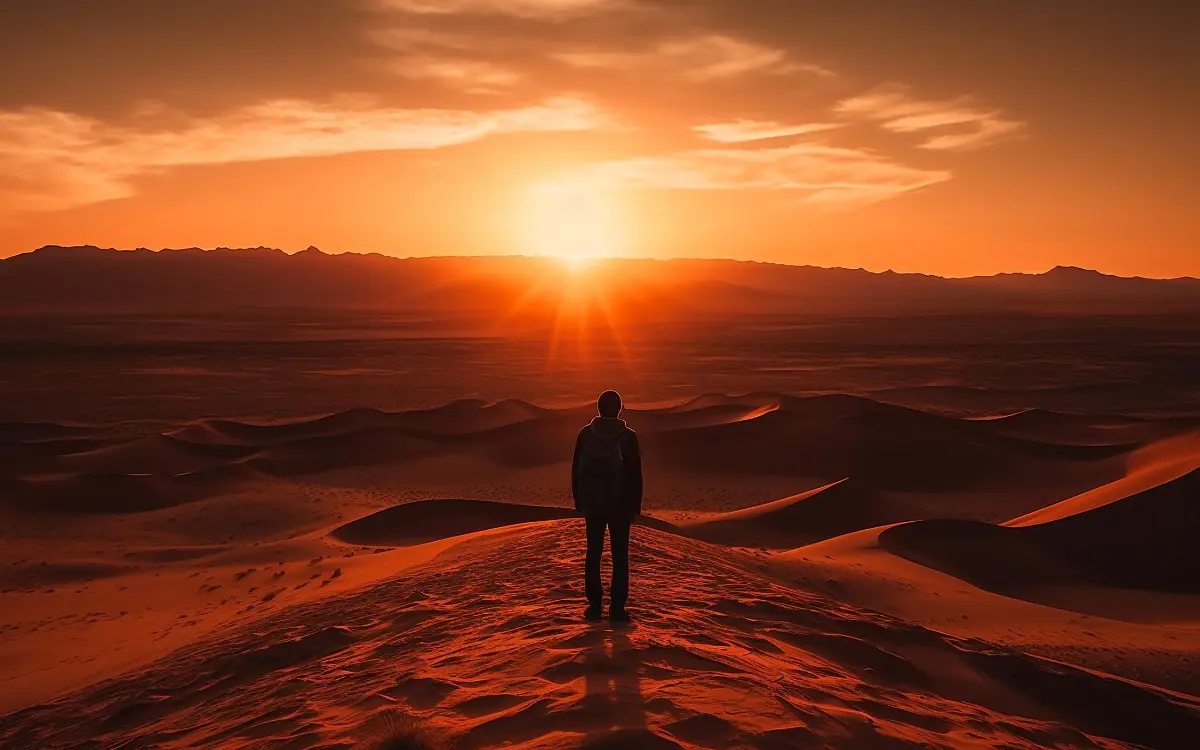
Picture this: a lone traveler trudges through a vast, arid landscape, the sun beating down relentlessly as they search for answers. This desolate scene mirrors the feelings of many who find themselves in a season of stagnation, yearning for direction and purpose. The struggle is real; countless individuals grapple with the weight of uncertainty when everything seems to stand still — a state often likened to wandering through a desert.
The Bible frequently paints the desert as a place of testing and preparation. For the Israelites, their forty-year journey through the wilderness was more than just a nomadic existence; it was a transformative period intended to mold them into the people God envisioned. Amid their physical needs, God provided manna from heaven, demonstrating His unwavering faithfulness and ability to supply in times of need (Exodus 16:4).
Fast forward to today, and the story remains remarkably relevant. Many believers report feeling trapped in a metaphorical desert — a time where dreams feel deferred, and spiritual growth seems halted. Is there divine preparation in our own deserts? Absolutely, as underscored by the experiences of several familiar biblical figures.
Consider Moses, who spent years tending sheep in the wilderness before leading the Israelites out of Egypt (Acts 7:29-30). His solitude was a time to prepare, just as God uses our waiting periods to refine our character and deepen our reliance on Him. It’s a common narrative; God often leads His chosen into the wilderness before they can enter their promised lands.
In this context, one can better appreciate the teachings of Charles Spurgeon, a famed preacher who spoke of the divine purpose in waiting. He encouraged believers to embrace their deserts, asserting that these times can lead to profound spiritual maturity. “Faith shines brightest in the dark,” Spurgeon wrote.
Witnessing this principle in action is Susan, a woman who found herself in a season of stagnation after losing her job during the pandemic. Initially, despair consumed her, but as she turned to prayer and Scripture, she realized this was a pivotal moment to refocus on her faith. “I learned to seek God in the silence,” she reflected, echoing the insights of Elijah when he found God not in the great wind or the earthquake but in the gentle whisper (1 Kings 19:11-12).
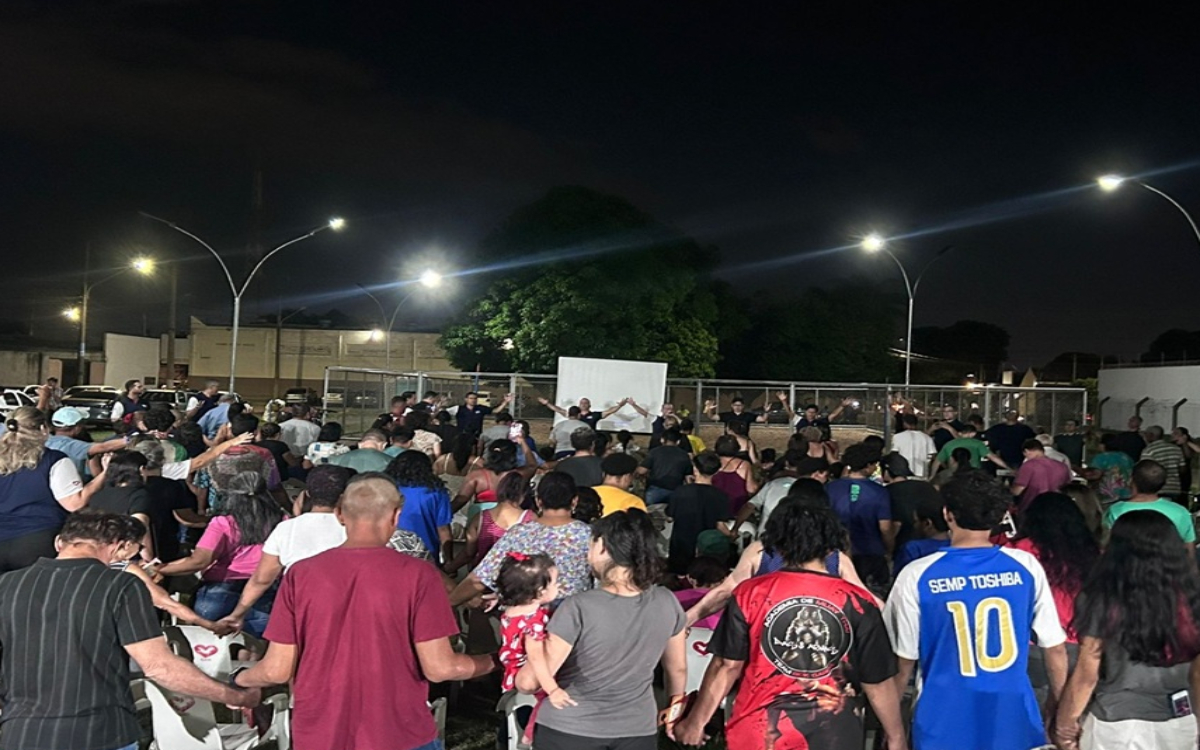
As Susan’s faith deepened, she felt compelled to help others navigating similar experiences. By creating a community support group, she fostered an environment where countless individuals shared their own struggles and victories of faith. Together, they transformed their desert into a garden of hope, recognizing that the waiting seasons can yield tremendous growth.
The crux of this message is profound: while the desert may feel like a punishment, it’s often a place of divine preparation. God invites us to lean into our waiting — our seasons of silence are not in vain but integral to the larger story He is weaving in and around our lives.
So, how do we embrace this journey? Through prayer, reflection, and community. Allow the wilderness to reshape your faith. Seek out those who share in your struggles and recognize that in the stillness, God is actively working. As we transition from waiting to action, we can trust that every moment spent in the desert has purpose, allowing us to emerge stronger and more attuned to God’s calling on our lives.
Indeed, just like the Israelites, we can expect that the steps we take will lead us from desert wandering to the bright horizons of our promised inheritance. Have faith that even now, in times of stillness and uncertainty, God is guiding each of us toward a fruitful future. 🌅