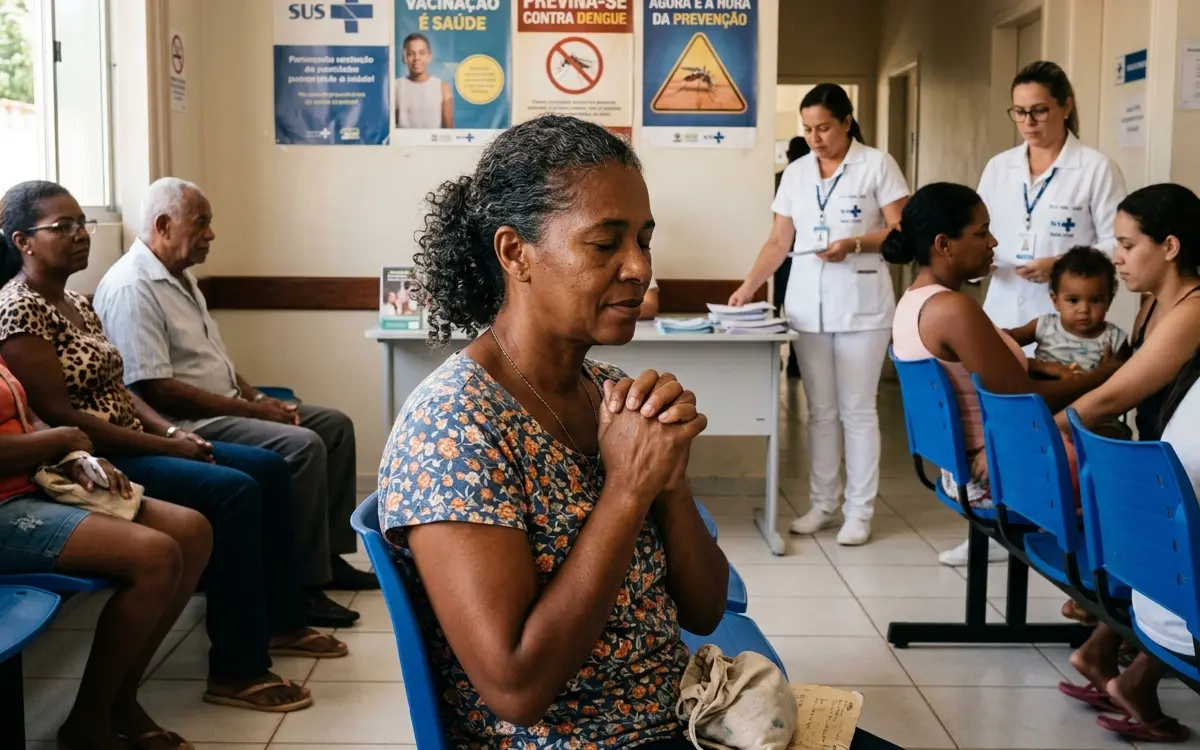
In a small clinic tucked away in the busy streets of Brazil, where the sounds of bustling life meld with whispers of hope, a remarkable connection began to reveal itself—one that intertwined the realms of science and faith. Patients, in varying states of distress, sought relief from pain and anxiety, symptoms that often shadow their daily lives. Yet, as they entered the clinic not just seeking medicine but also solace, a simple yet profound practice loomed quietly on the edges of their journeys: prayer.
A recent study conducted by a dedicated team of researchers at the University of São Paulo unveiled something extraordinary. They found that prayer could significantly reduce levels of pain and anxiety in patients. The study, encompassing 180 patients, highlighted how connecting with God through prayer offered more than just spiritual relief; it translated to tangible changes in their mental and physical well-being.
As the clinic buzzed with activity, Dr. Marco Gomes, the lead researcher, reflected on the findings that confirmed what many practitioners had intuitively known—prayer is not merely a ritual; it can be a powerful catalyst for healing. "We observed that patients who engaged in prayer reported lower levels of discomfort and anxiety compared to those who did not. The difference was striking," he shared, his eyes alight with passion.
Participants included individuals from various backgrounds, each with their unique burdens. Some were battling chronic pain, while others faced the relentless grasp of anxiety. Throughout the study, these individuals were encouraged to pray under different conditions—some in groups, others alone, with various formats ranging from silent reflection to verbal prayers. The diversity in approach illustrated a central tenet of faith: dialogue with the divine can take many forms.
For Ana, a single mother grappling with severe anxiety, this practice transformed her life. “I often felt alone, overwhelmed by the weight of my responsibilities and fears,” she shared. “But in those quiet moments of prayer, I felt an indescribable sense of peace wash over me, as if God was reminding me I was not carrying this burden alone.” The results mirrored her experience; she and many others reported significant reductions in their anxiety levels during prayer.
Dr. Gomes emphasized the implications of the study beyond the clinic. “Our findings bring to light the need for healthcare to embrace holistic treatment approaches. Acknowledging spiritual practices like prayer, alongside conventional medicine, could enhance patient care dramatically.” He passionately advocates for integrating such methods into medical practice, where faith and science can unite for comprehensive healing.
As the sun dipped below the horizon, casting golden hues through the clinic windows, the atmosphere transformed. Patients engaged in a collective prayer session, voices woven together in hope and faith. Laughter mingled with tears as friendships blossomed among those who had once been strangers. In that moment, the healing power of prayer was palpably felt—an energy bridging hearts and fusing lives together.
While the study has garnered attention, its true significance extends far beyond the confines of the clinic or the results captured in charts and graphs. It serves as a testament to the profound strength of faith in the face of adversity, reminding believers everywhere of the words found in Philippians 4:6-7: “Do not be anxious about anything, but in every situation, by prayer and petition, with thanksgiving, present your requests to God. And the peace of God, which transcends all understanding, will guard your