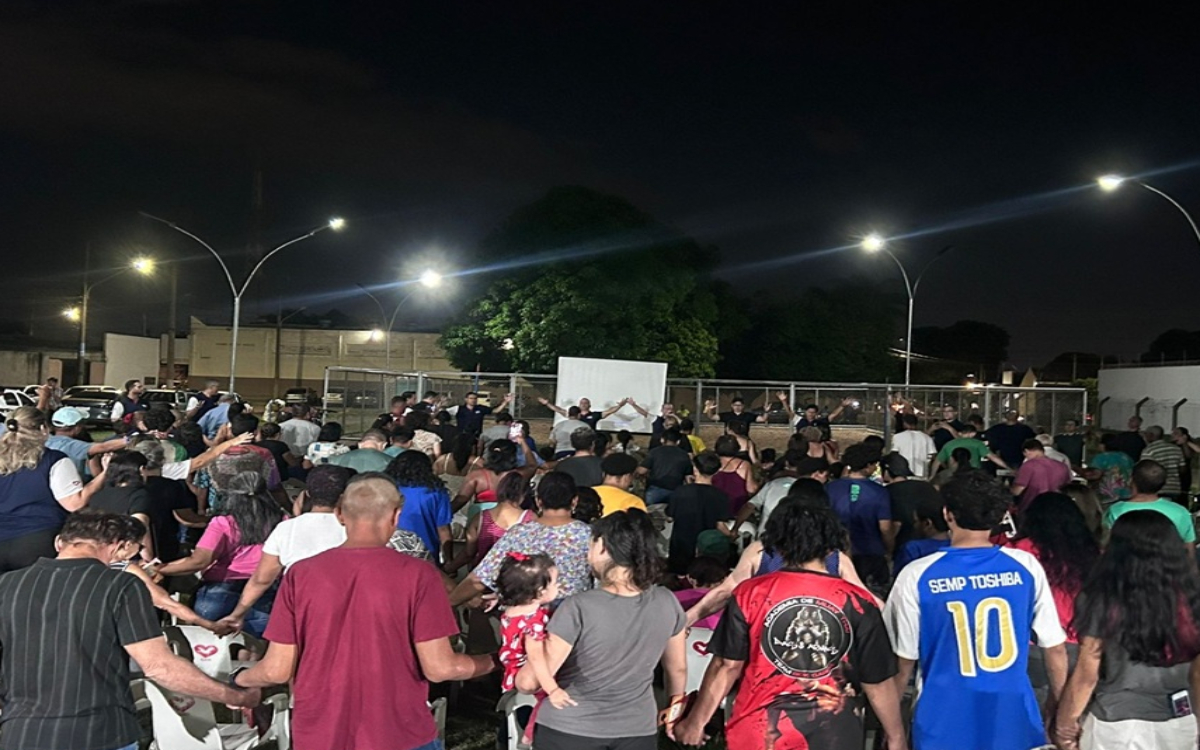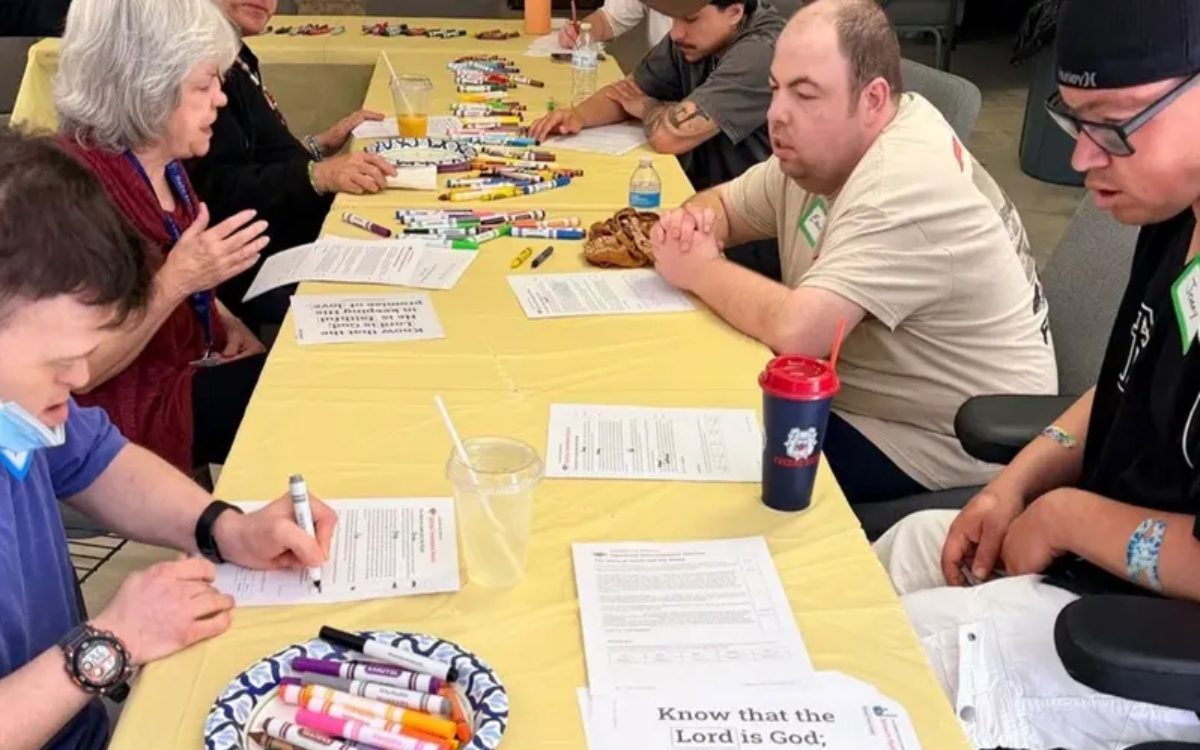
A gentle hum of voices fills the sunlit room at the Igreja do Nazareno, where familiar hymns resonate with the warmth of camaraderie. But today, something feels different. Seated in the front row is a group of individuals, faces bright with anticipation, each carrying unique stories of resilience and dreams of inclusion. Among them is Mariana, a vibrant young woman in her twenties who uses a wheelchair, and Antonio, a spirited teenager who communicates through sign language. Both are eager to see how the church has transformed its space to embrace and uplift those with disabilities.
For many years, Latin American worship spaces have faced criticism for their lack of accessibility, leaving people like Mariana and Antonio at the margins. But this is changing. Driven by faith and a call to serve, churches across the region are focusing on inclusion, ensuring that everyone can share in the blessings of community and worship. In Mariana's words, “The church should be a place where everyone is welcome, not just in theory, but in reality.”
Recent statistics underline this shift. According to the World Health Organization, approximately 15% of any given population lives with some form of disability. This means that in a community with 1,000 members, around 150 individuals could be experiencing barriers to participation in spiritual life. The staggering realization has prompted churches to take action, beginning with embracing physical inclusivity.
In 2023, the Igreja do Nazareno launched an ambitious project to retrofit its infrastructure, creating wider aisles, installing ramps, and enhancing restroom facilities to cater to all needs. This progressive attitude has acted as a catalyst, inspiring other congregations throughout South America. As Pastor Rafael, the church's leader, states, "We took a hard look at our space. If Christ would welcome everyone, then so must we.”
One notable initiative has been the use of technology in services. Many churches are now offering live captioning and sign language interpreters. This change not only allows for a richer worship experience but enables families like Mariana's to feel truly integrated into community life. Mariana recalls her first service after these changes: “I cried during worship. I felt seen. I felt included.”
The ripple effect of these changes is evident. Churches have become hubs of unity and empowerment, where congregants rally to foster friendships with those who navigate the world differently. Additionally, disability awareness programs have become essential elements of church activities, educating members about the challenges their friends may face.
Mariana's story echoes the sentiments of many, reflecting on the transformative power that faith can have when it’s accompanied by tangible actions. “It’s one thing to say you’re inclusive, but it’s another to live it out,” she asserts, a smile illuminating her face.
As the week progresses, churches hope to continue this momentum, recognizing that inclusion is an ongoing journey rather than a destination. The increasing accessibility of worship spaces is reshaping the narrative — their doors are not only open in a physical sense but now foster a broader emotional and spiritual accessibility.
As the sun begins to set, coloring the sky in hues of orange and pink, the congregation holds hands around a table set up for a community dinner. In this moment, the essence of the church is clear — it’s a place of belonging that embraces each person with open arms, a reflection of God’s love. Looking forward, there is hope that this movement will inspire a global church commitment to inclusivity, ensuring that no child of God remains unseen.
For Mariana, Pastor Rafael, and many others, the promise of an accessible church brings newfound hope — a belief that everyone can play an integral role in sharing the love and grace we have all received. The journey toward inclusion is just beginning, yet faith continues to light the path ahead.