In the heart of the Democratic Republic of the Congo (DRC), the air is thick with tension. Communities, already grappling with the realities of poverty and conflict, are now facing yet another crisis: an outbreak of the Ebola virus. The World Health Organization (WHO) reported on August 20, 2023, that eight people had been infected, with at least five confirmed fatalities. Among the deceased was a three-year-old child, and authorities continued their exhaustive search for at least 100 individuals who had potentially come into contact with the virus, underscoring the urgency of the situation.
As the reality of this outbreak set in, the work of humanitarian organizations became more vital than ever. Samaritan’s Purse, a global charity organization led by Franklin Graham, mobilized its resources swiftly to respond to the crisis. Founded in 1970, Samaritan's Purse aims to meet the physical and spiritual needs of the world's most vulnerable, grounded in Christian faith. The organization’s commitment to disaster response is evident in its ongoing efforts, including those in war-torn regions and during natural disasters.
On the ground in the DRC, the organization's team, equipped with medical supplies and a passion for serving, set up an emergency field hospital in the affected region. Franklin Graham expressed deep concern over the outbreak, stating, “We are working diligently to assist those affected by this deadly virus.” His words reflect a profound sense of urgency and compassion for those suffering amidst despair. With every case of Ebola reported, the fear of the virus spreads, echoing the historical devastation it has caused in West Africa and other areas.
Samaritan’s Purse not only provides medical care but also emphasizes the importance of education and prevention. Community outreach has become a cornerstone of their efforts. Volunteers and medical professionals are educating families on sanitation practices to prevent further spread of the virus. This is more than just treating the infected; it’s about instilling hope and resilience in communities traumatized by loss.
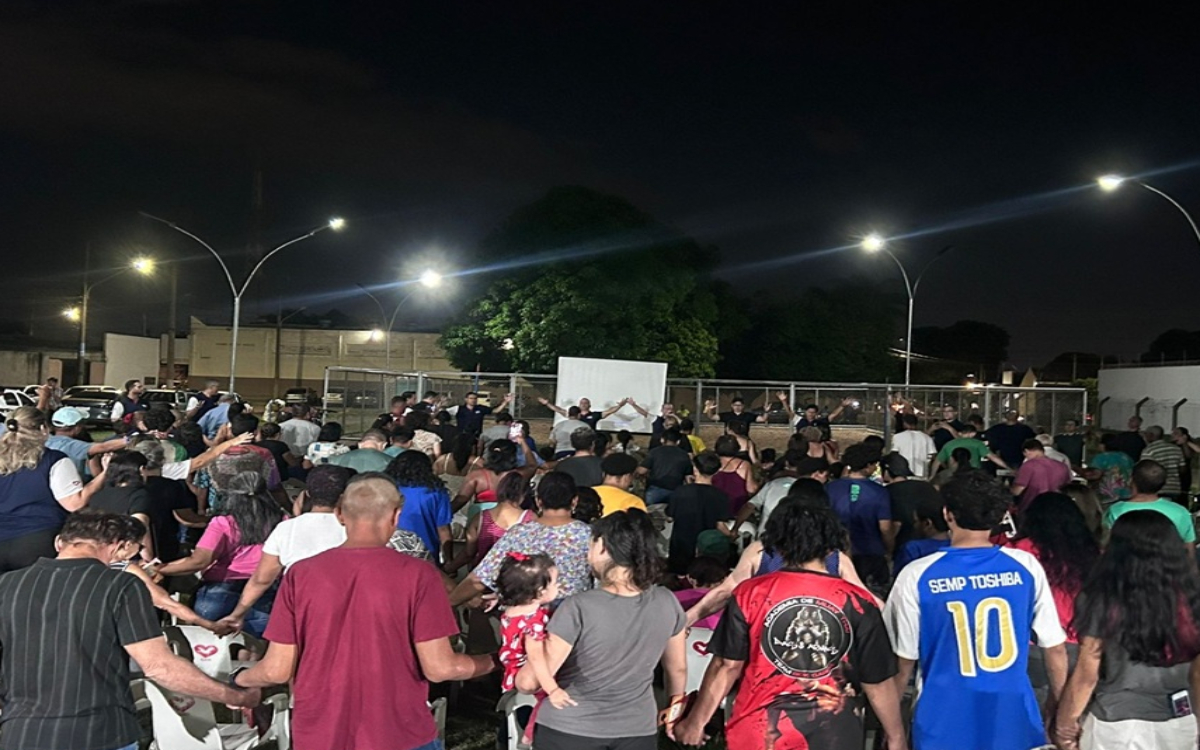
Alongside medical interventions, such as administering vaccines and establishing isolation units for treatment, emotional and spiritual support is woven into the response. Samaritan’s Purse knows that healing is not just physical. As local pastors and chaplains joined the effort, they offered prayer and comfort in an already daunting landscape. They reminded those affected of God’s unwavering presence even in times of tribulation. It resonates with the Scripture that reassures the faithful: “When you pass through the waters, I will be with you” (Isaiah 43:2).
The scope of the Ebola outbreak extends beyond immediate health concerns. It poses deeper challenges related to economic stability and community trust in health systems—critical areas that must be addressed in the months to follow. As the team on the ground works tirelessly, they remain hopeful, with their work born of a commitment not only to alleviate suffering but also to foster long-term resilience among the communities they serve.
In the coming weeks, as new cases may emerge and challenges continue to arise, the focus will remain on both medical treatment and community education. Emphasis will also be placed on logistical support, as Samaritan’s Purse collaborates with local health authorities and international partners.
As the epidemic unfolds, and with the aid of dedicated organizations like Samaritan’s Purse, there remains a glimmer of hope. Hope in healing, hope in unity, and hope in the grace that permeates through collective efforts led by compassion. As these humble yet determined workers continue their fight against Ebola in the DRC, they show us all what it means to put love into action—an enduring testament to faith amidst trials.