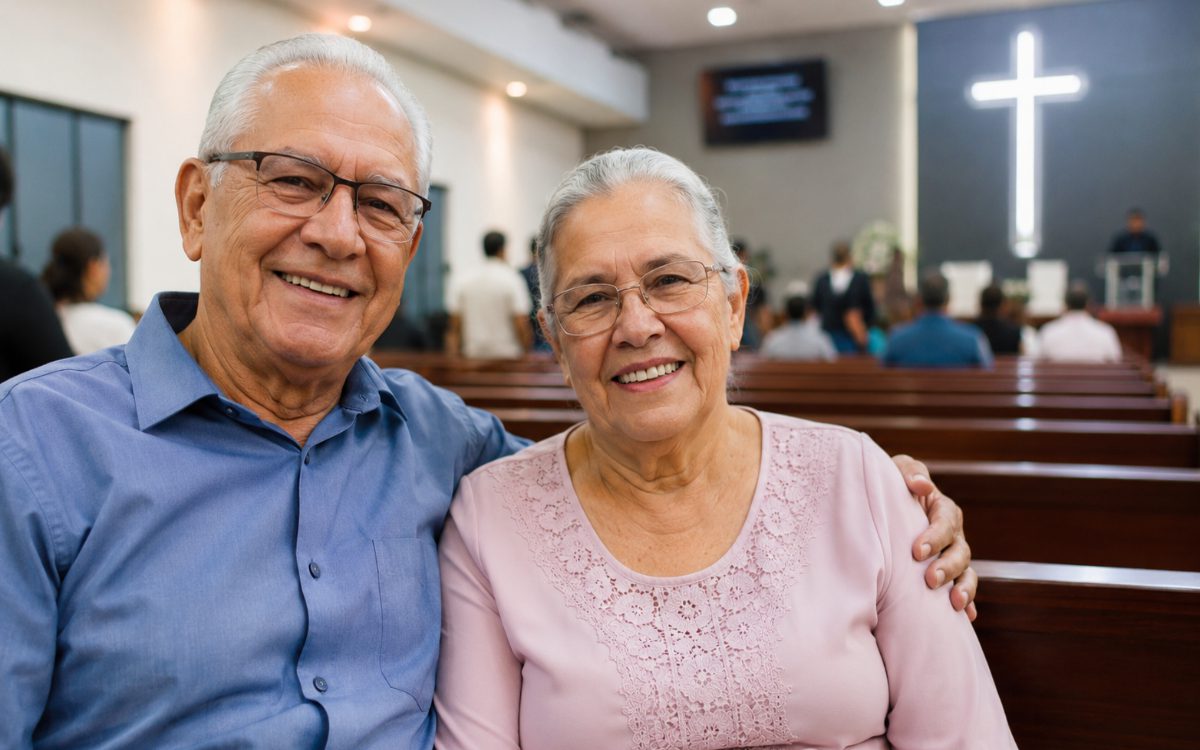
On a sunny Sunday morning in June, the small community church of Pine Grove buzzes with the warmth of fellowship. Rows of worshippers fill the pews, exchanging smiles and hugs before the service begins. Among them is 81-year-old Margaret, whose bright eyes reflect decades of faith and community involvement. As she sits listening to the pastor’s encouraging words, one can’t help but wonder: What does it mean to live a long, fulfilling life? For many like Margaret, the answer lies intertwined with the very fabric of church life.
A new study has illuminated a striking correlation between church attendance and longevity. Research published in the journal *JAMA Internal Medicine* suggests that regular participation in religious services contributes to a longer and healthier life. While previously understood that faith significantly impacts mental well-being, this new data highlights how consistent community worship spaces can serve as more than a spiritual refuge; they bring about tangible health benefits.
In this extensive study, researchers gathered data from over 74,000 women involved in the *Nurses' Health Study* and a cohort of over 30,000 men from the *Health Professionals Follow-Up Study*. What they found was remarkable. Those who attended religious services weekly were about 28% less likely to die during the study period than those who never attended. This result holds true even after adjusting for factors such as age, race, sexual orientation, and lifestyle choices including smoking and diet.
The findings resonate deeply across a spectrum of believers who have long attributed their well-being to faith. “Church is not just about worship; it’s about connection,” shares Pastor Mike, who has seen countless transformations over his years of leadership. “Being part of a community that cares for one another enhances our emotional and physical health.”
Margaret, with hands raised in praise during the worship songs, embodies this very sentiment. Her story is one of resilience, having faced numerous health challenges over the years. Yet, she credits her faith and her church community for her positive outlook on life. “Every Sunday, I’m reminded that I’m not alone,” she smiles, “and that gives me strength.”
The research also suggests that community and the social interactions that come with it are pivotal. With church being a place not only for worship but also for gathering with friends and family, participants experienced reduced levels of stress and increased feelings of belonging. This social support acts like a buffer against the pressures of daily life, reinforcing the importance of human connection in our overall well-being.
While the benefits of faith-based activities add to the growing conversation about health, the findings have reignited discussions about the importance of church attendance in modern society. In an age where many face isolation and engage less with communal aspects of life, these results may serve as a gentle nudge back to community-oriented living.
As the sun sets on that Sunday, the echoes of laughter and shared blessings linger in the air. Margaret, now surrounded by friends sipping coffee after the service, reflects on her journey. “Every day is a gift, and being here with everyone makes it even more precious,” she says, a sentiment that mirrors the essence of the scripture, “And let us consider how we may spur one another on toward love and good deeds” (Hebrews 10:24).
This compelling study reminds us that faith is not merely about the spiritual; it’s interwoven with our health and the quality of our lives. Just like Margaret, countless others find themselves enriched by their church communities, discovering that growing older can also mean growing closer to God and each other. As more individuals seek holistic paths to wellness, perhaps the church will stand as a beacon, inviting all to experience the profound impact of faith, fellowship, and a longer, healthier life.