Under the dim glow of early morning light, Maria sat in her favorite chair by the window, surrounded by a stack of well-worn Bibles soaked in memories of prayer. The room was usually silent except for the soft whispers of her heart reaching out to God. Today was different. As she felt the weight of the world—the lingering effects of a strained relationship with her son, a job that seemed to drain her soul, and the uncertainty of tomorrow—Maria clung to the one thing that always offered her hope: prayer.
For Maria, prayer was not just a ritual. It was a lifeline. Each morning, she found herself immersed in conversation with God, her hopes spilling out in a river of emotions. It was in these moments that she rediscovered her strength, allowing God to mold her perspective. The Bible promises that "The fervent prayer of a righteous person is very powerful" (James 5:16). As she prayed, Maria often wondered how her prayers truly could create change—not just in her circumstances, but within herself.
Across town, Jonathan, a young man of faith, faced overwhelming anxiety at work. His thoughts raced with every email notification, each projection of failure seeping into his consciousness like a bitter fog. One quiet afternoon, after yet another stressful meeting, he decided to step outside into the fresh air, seeking solace. He took a deep breath and called out to God, pouring out his fears, holding nothing back. That day, Jonathan learned a profound truth: while prayer might not instantly resolve his workplace challenges, it undeniably shifted something deeper within him—a newfound peace.
The scriptures tell us in Philippians 4:6-7 not to be anxious about anything but to present our requests to God, leading to the peace that surpasses all understanding. Both Maria and Jonathan discovered this peace firsthand, understanding that through prayer, their circumstances were not the sole focus. Rather, it was their transformation in perspective that bore real fruit.
As Maria continued her morning ritual, she recounts a pivotal experience during a recent church gathering. A fellow congregant shared a story of their own struggles with emotional turmoil and how prayer had turned their despair into joy. It was a lightbulb moment for Maria, embedding itself in her heart. It dawned on her how interconnected their experiences were—she wasn't alone. "When we pray, we unlock the possibility for change, not only outside us but within," the speaker had said. Those words resonated within her, igniting a hope that had flickered dimly.
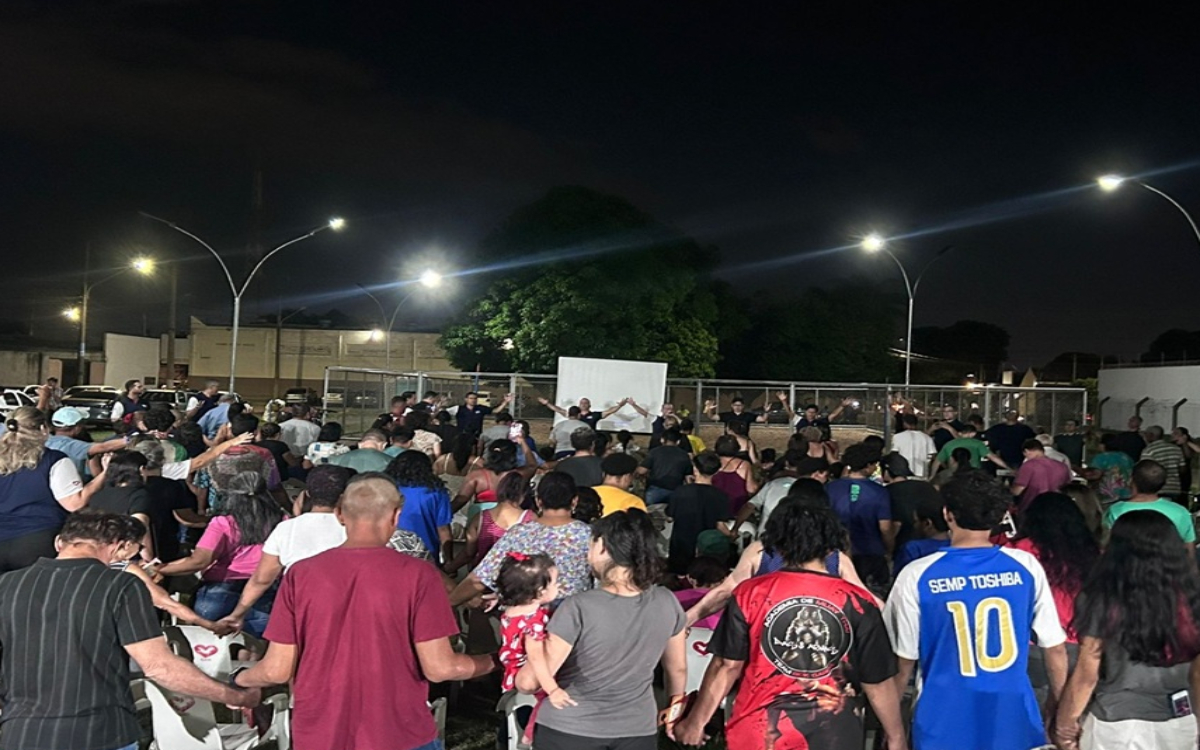
Church gatherings became a vibrant hub of faith-driven stories, recounting transformations sparked by conversations with God. People like Jonathan found a faith community where they could share their struggles and victories, realizing that prayer was a collective experience, layering hope upon hope. It was where testimonies of healing, forgiveness, and redemption intertwined and illuminated the power of prayer.
In the faces of those who gathered each week, from the elderly sharing wisdom to youngsters eager to learn, there was a palpable atmosphere of hope. They were a testament to the transformative power of prayer—not merely a tool for petitioning God but a mechanism for profound personal growth and community solidarity.
As we witness stories like Maria’s and Jonathan’s unfold, we are reminded that prayer can reshape not just our experiences but our destinies. It is an invitation to dive deeper into our spiritual journeys, to foster resilience against life’s storms.
In an ever-changing world fraught with uncertainty, the act of prayer becomes a steadfast anchor, reminding us that while circumstances may fluctuate, our connection with God remains constant. For Maria and Jonathan, the journey ahead is veiled in hope, enriched by faith, and tethered firmly to the promise that through prayer, they can continually transform into the people God intends them to be.