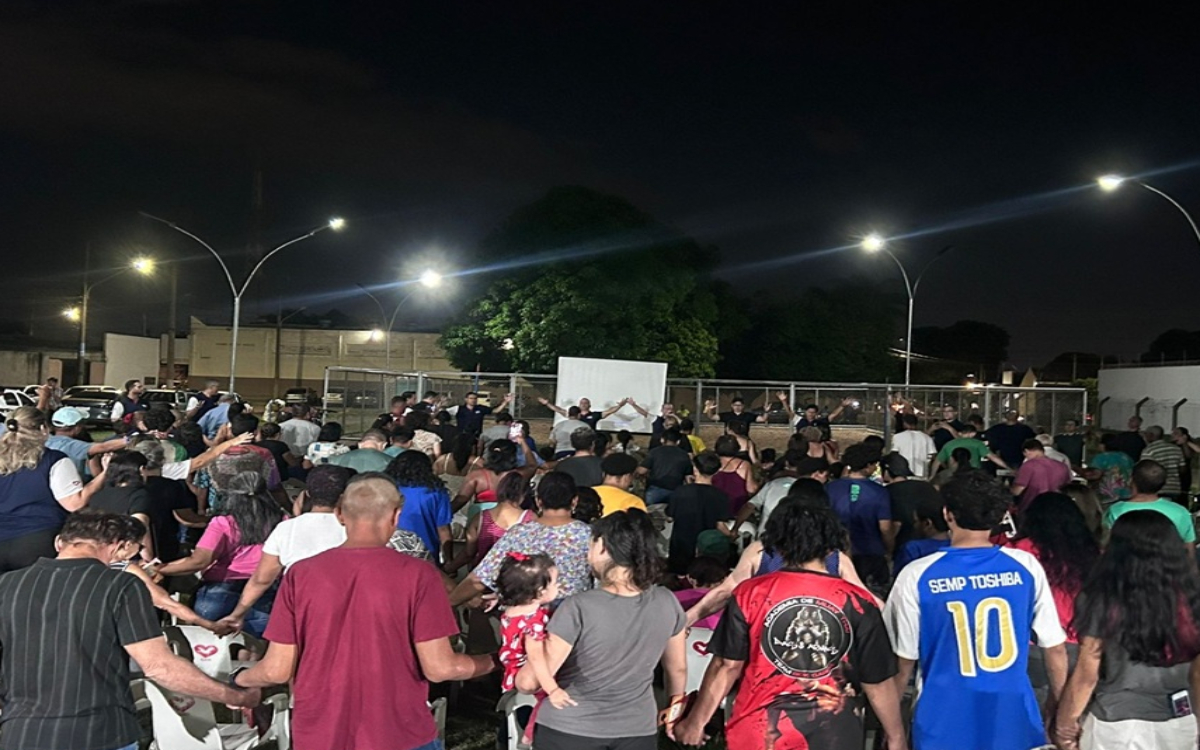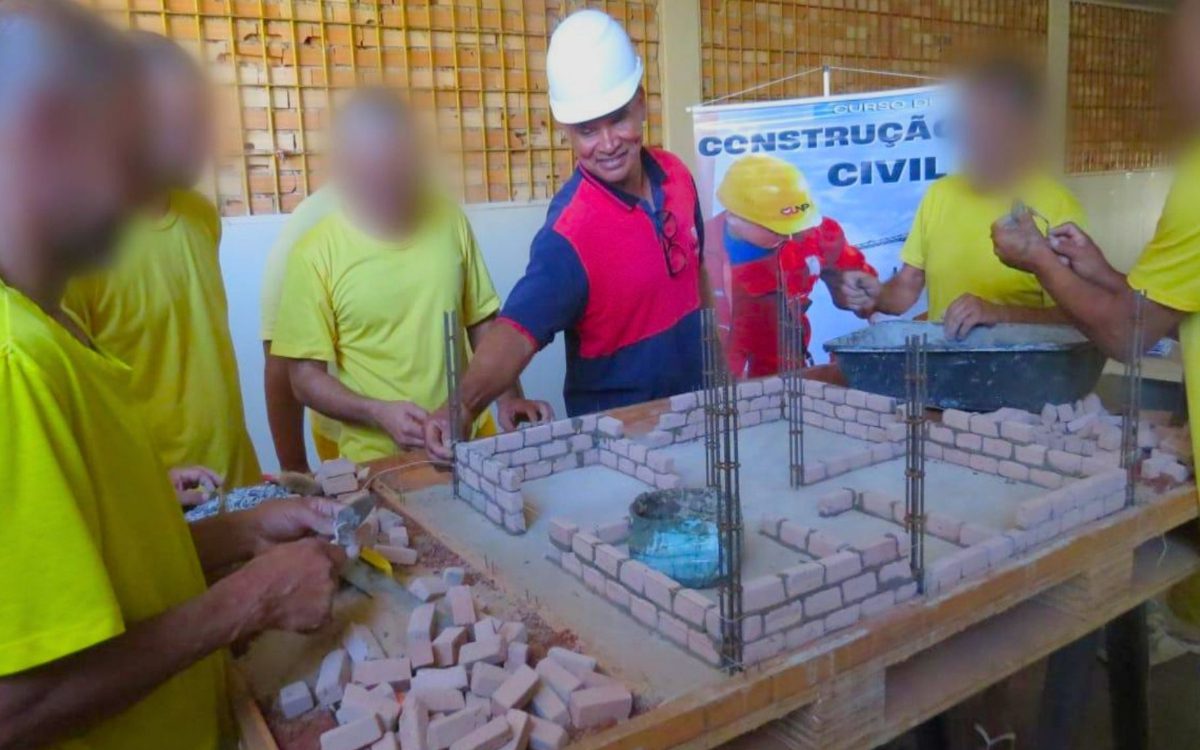
As the sun began to set over the state of Goiás, Brazil, a group of inmates gathered around a makeshift table in a prison courtyard. The air buzzed with a unique mix of hope and determination as they prepared for a life-changing event: a professional qualification course led by pastor and educator Arnaldo Ribeiro. With a firm belief that faith and education can transform lives, Arnaldo stood before the men, eager to share not only knowledge but also a message of redemption.
In Brazil, where the prison population has swelled dramatically—increasing by 607% since 1990—prisons often become mere holding cells, leaving inmates with little to no support for reintegration into society. But the work Arnaldo and his team are doing at the Açailândia prison is different. Since 2019, they have run several courses aimed at equipping inmates with essential skills, including construction, ceramics, agriculture, and even baking.
“Creating opportunities for these men is more than an educational endeavor; it’s a ministry,” Arnaldo shared. “By providing them with skills and a sense of purpose, we align their journeys with God’s greater plan.” This has led to the transformation of countless lives, with many inmates finding not just the means to a new job, but also a newfound faith that guides their paths forward.
Among those gathered was Edson, a man whose life took a tragic turn. Once a promising laborer, his choices led him into a cycle of crime and incarceration. However, through the program, Edson rekindled his passion for craftsmanship. As he affixed a piece of wood for a new furniture project, he reflected, “I never thought this day would come. I used to think my life was over. Now, I dream of opening a small business once I leave here.”
The prison's administration recognized the positive impact of these programs. Encouraged by the response, they arranged for an official partnership with local educational institutions to expand the variety of courses available. This collaboration demonstrates a broader understanding of rehabilitation as being rooted in education and community support rather than mere punishment.
Faith, too, has played a crucial role in this movement. Arnaldo notes that many inmates who previously struggled with despair have found solace and strength in Christianity. Testimonials flooded in where inmates credit their faith with helping them endure the hardships of prison life, as they emerged spiritually renewed alongside freshly acquired skills. “The Lord has plans for each of us, even here,” one inmate remarked. “We cannot lose hope.”
Church groups and community organizations have rallied behind this initiative, providing resources, mentoring, and spiritual support to inmates. The collective effort is redefining the purpose of incarceration—not simply as a time of punishment, but as an opportunity for personal growth and transformation.
As the program continues to flourish, Arnaldo hopes for a future where formerly incarcerated individuals can re-enter society equipped to succeed. “We want to create bridges instead of walls,” he said, reflecting the heart of this incredible mission. He envisions a world where faith intertwines with education, providing pathways for individuals to reclaim their lives.
The story unfolding in Goiás serves as a beacon of hope, reminding us that even in the darkest places, God’s light can shine through. As more lives change in this prison, the ripple effects can spread beyond its walls, changing communities for the better. The message is clear: redemption is possible, faith is transformative, and every person can be given the chance to rewrite their narrative, one skill at a time.