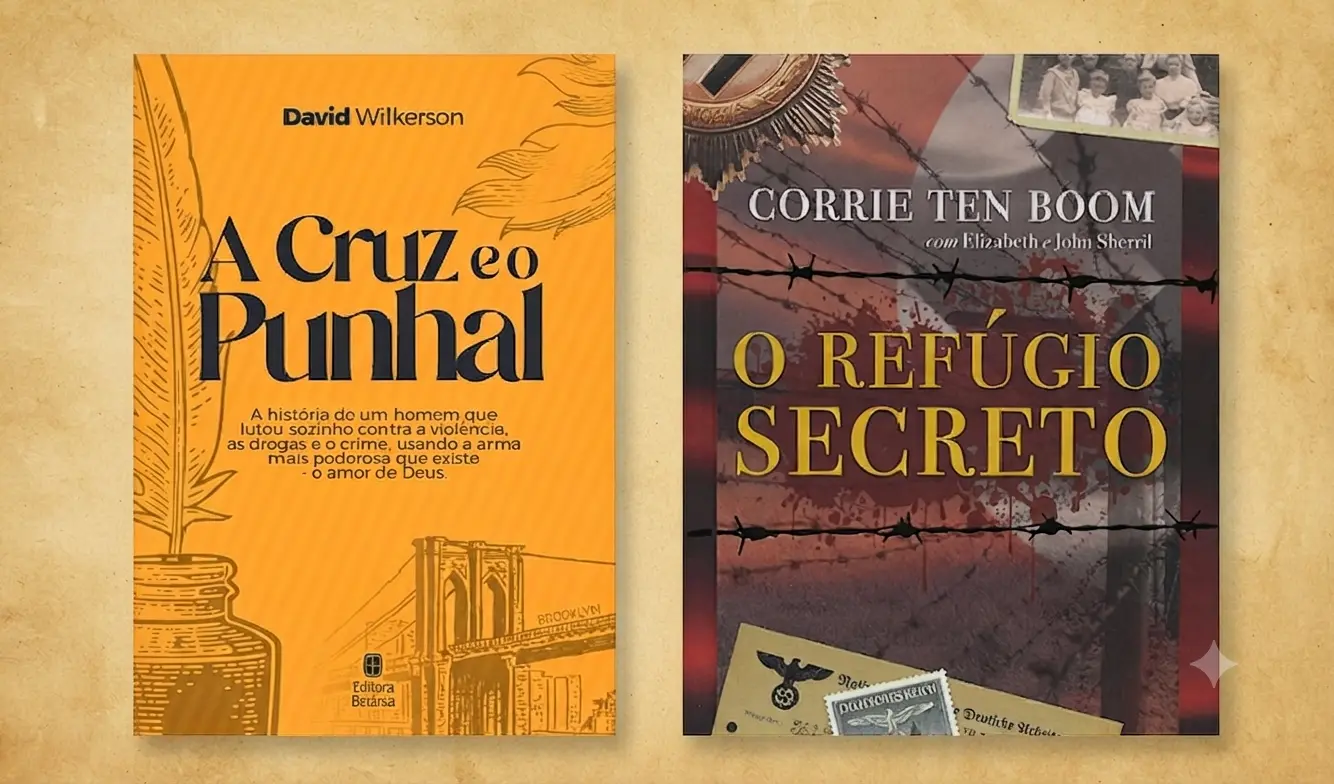
In a dimly lit room, the flickering candlelight dances across weathered pages, illuminating stories of faith that have shaped the course of history. These are the biographical accounts of extraordinary men and women whose lives left indelible marks on the church and the world. Their narratives echo the triumphs and struggles of Christianity throughout the centuries, serving as reminders of the power of faith, courage, and perseverance.
Take the story of William Tyndale, a man compelled by the desire to translate the Scriptures into English. In the early 16th century, Tyndale recognized that the common people deserved access to the Bible, which was largely read in Latin, a language inaccessible to many. His audacious mission began in 1525, leading him to flee to Germany to avoid capture. There, amidst danger, he translated the New Testament and smuggled copies back into England, where they ignited a spiritual revolution. As Tyndale himself famously declared, “If God spare my life, I will cause a boy that driveth the plow to know more of the Scriptures than thou dost.” His bold assertion highlights not just his commitment but also the transformative power of making God’s Word available to all.
Then there’s the tale of John Wesley, a man who rode over 250,000 miles on horseback to preach the message of salvation. Born in 1703 in England, Wesley faced tumultuous times and an indifferent church, yet he remained undeterred. His tireless evangelism and organizational skills led to the founding of the Methodist movement, emphasizing personal faith and social justice. Through his efforts, revival swept across Britain and eventually reached America, proving that one person’s relentless pursuit of God's passion can spark hope in countless hearts.
In contrast, there’s the compelling life of Dietrich Bonhoeffer, a German theologian known for his stand against the Nazi regime. Bonhoeffer's life was a profound testament to faith amid adversity. He was not only a scholar and pastor but also a key figure in the anti-Nazi Church movement. His writings, especially “The Cost of Discipleship,” continue to resound with urgency in today's context. Ultimately, Bonhoeffer paid the ultimate price for his convictions, executed for his resistance against tyranny, laying bare the cost of true discipleship and the call to stand for justice and truth, no matter the cost.
And let’s not forget about the extraordinary legacy of Mother Teresa, whose compassion turned the tide for the poorest of the poor in India. Born in 1910 in Albania, she dedicated her life to serving the less fortunate and founded the Missionaries of Charity, which now spans over 130 countries. Mother Teresa’s selfless acts of kindness echoed through the lives of countless individuals, embodying the love of Christ in action. As she once said, “Not all of us can do great things. But we can do small things with great love.” These words continue to inspire millions to embrace service in their daily lives.
Each of these figures, whether in the shadows of history or in the light of current affairs, offers a glimpse into the diverse expressions of faith that have transformed society. They remind us that belief is not merely an abstract concept but a lived reality that defines our actions, choices, and interactions with others.
As we ponder their incredible journeys, we are called to consider our own places in the narrative of faith. What stories will we write? Will we stand firm in our beliefs? How can we impact the world around us with the love of Christ? The legacies of Tyndale, Wesley, Bonhoeffer, and Mother Teresa challenge us to rise from our comfort zones and pursue our calling with unwavering conviction, knowing that every act of faith has the power to ripple through time and affect generations. The stories of these remarkable Christians are not just historical accounts; they are an invitation to engage deeply with the world around us, embodying the transformative message of the Gospel in our lives today.