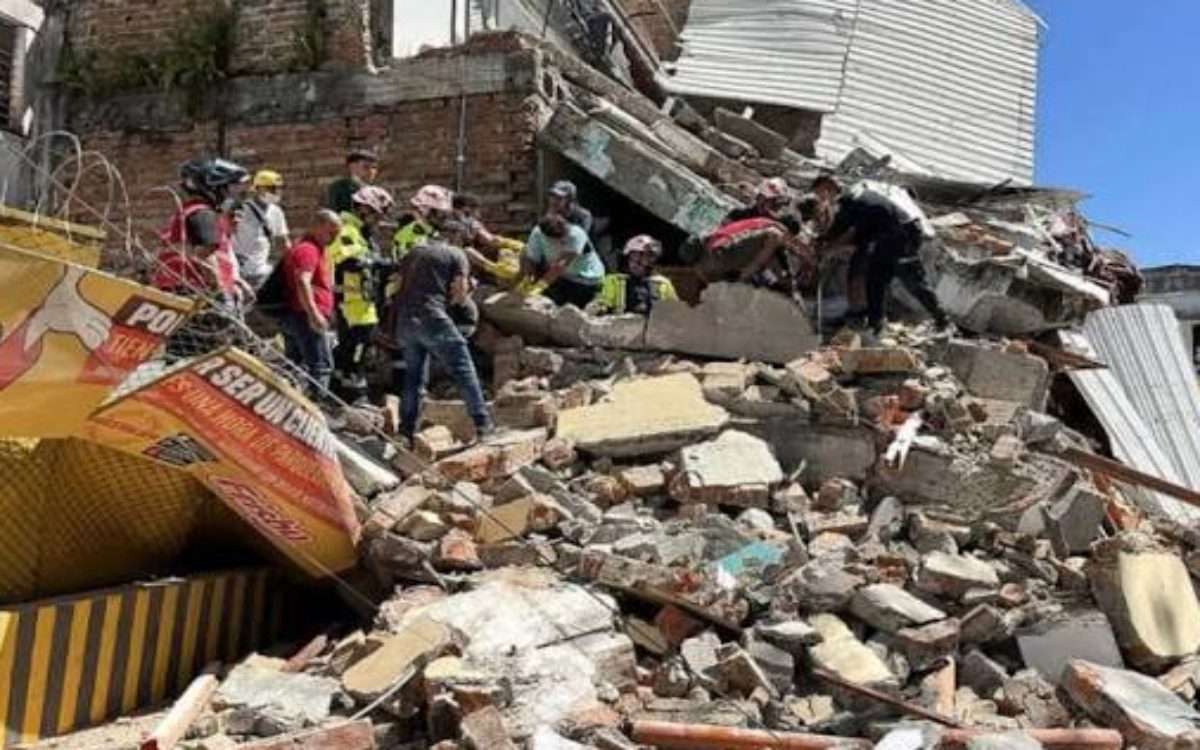
Amidst the heavy gray clouds that hung over the Colombian mountains on the morning of August 12, 2026, a tremor shook the earth, sending ripples of fear through communities nestled in the province of Huila. The earthquake, measuring 5.4 in magnitude, struck at 5:25 AM local time, causing buildings to sway alarmingly and leaving a trail of destruction in its wake. In the wake of such chaos, a remarkable tale of compassion and resilience began to unfold, highlighting the pivotal role played by local churches.
In the heart of the town of Isnos, where the air was still thick with dust and the echoes of panic lingered, residents could be seen wandering dazed but determined. Schools and homes were damaged, and frightened families sought safety and shelter. It was here, in the face of devastation, that churches emerged not only as places of worship but as sanctuaries for victims desperate for refuge.
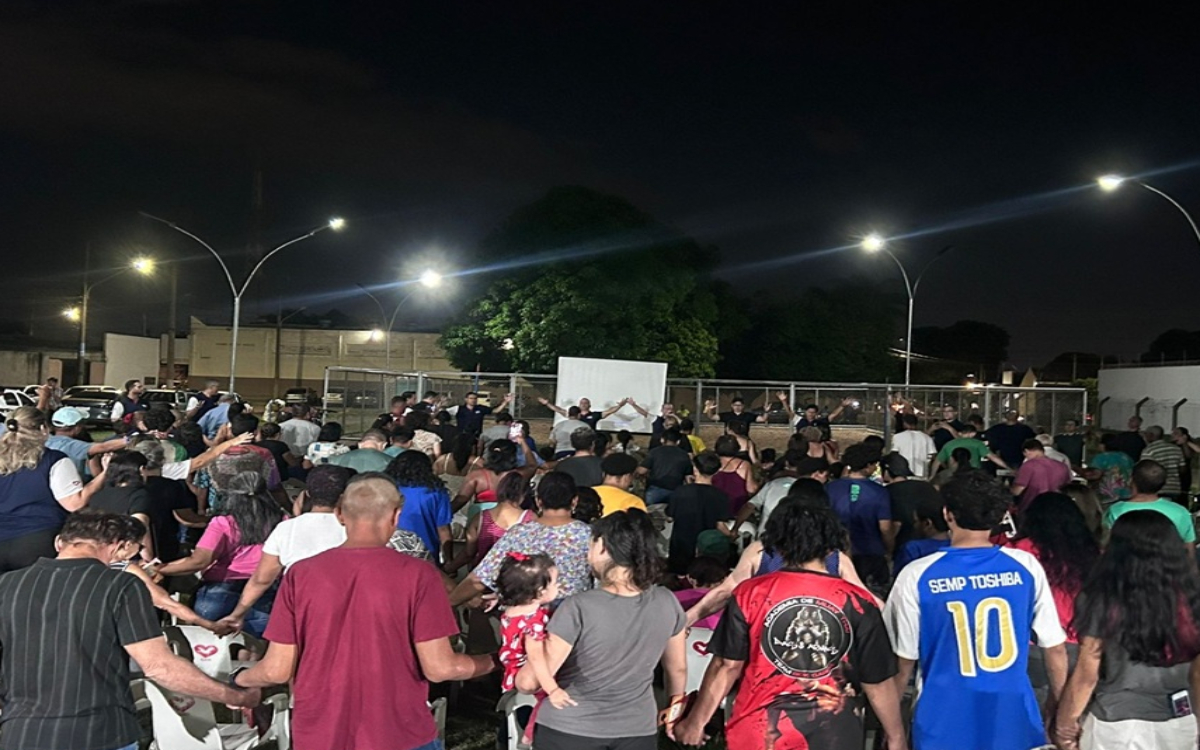
Pastor Dario Martínez of the local Assemblies of God Church opened his doors wide, inviting all who needed comfort and support. “The church is a place of hope," he said, as he prepared to welcome anyone seeking shelter. In a matter of hours, the once-quiet sanctuary transformed into a bustling center of relief. Volunteers organized food and blankets, ensuring that every person who entered found not just shelter but a sense of community.
“Our faith calls us to serve others in their time of need,” Martínez continued, embodying the spirit of unity and kindness that resonated throughout the region. Across town, other churches followed suit, including the Episcopal and Roman Catholic congregations, which also provided their halls as makeshift shelters. As news spread of these communal havens, people from various walks of life came together, united by their shared need for safety and solace.
While the immediate physical needs were being met, the emotional toll on families was equally profound. Many had lost precious possessions and cherished memories, which made the support of the churches even more valuable. “Here, they can share their fears and grief,” said Maria Elena, a church volunteer comforting a distraught mother who had just lost her home. “We are all in this together, and together we will heal.”
However, it wasn’t just the victims receiving assistance — the communal spirit extended to those offering help. For many locals, the act of giving, of standing together in adversity, rekindled a sense of purpose. Volunteers were often seen lending a shoulder to cry on or a helping hand to those sorting through the rubble of their lives.
As the days passed, the local authorities began to assess the damage. Reports indicated that hundreds of homes were affected, with some families left homeless or unable to return to what remained of their properties. But amid scheduling emergency relief and recovery efforts, the church communities remained steadfast.
In the following weeks, the focus would shift to longer-term recovery, with plans being laid out for rebuilding homes and healing hearts. “This earthquake has shaken us, but it has also shaken us awake,” reflected Pastor Martínez, as his congregation prayed for guidance and continued support. “We will rise from this united, our faith only stronger.”
As the sun set on the horizon, casting golden hues over the landscape, the churches of Huila stood as beacons of light in a time of darkness. It was a testament to resilience, both human and divine, underscoring that even in the most trying times, love and faith can build bridges of hope amidst the debris of despair. The journey of recovery would be long, but together, they were ready to walk it one step at a time, fueled by the unwavering belief that God’s presence lingered in the hands of those who love and serve one another.