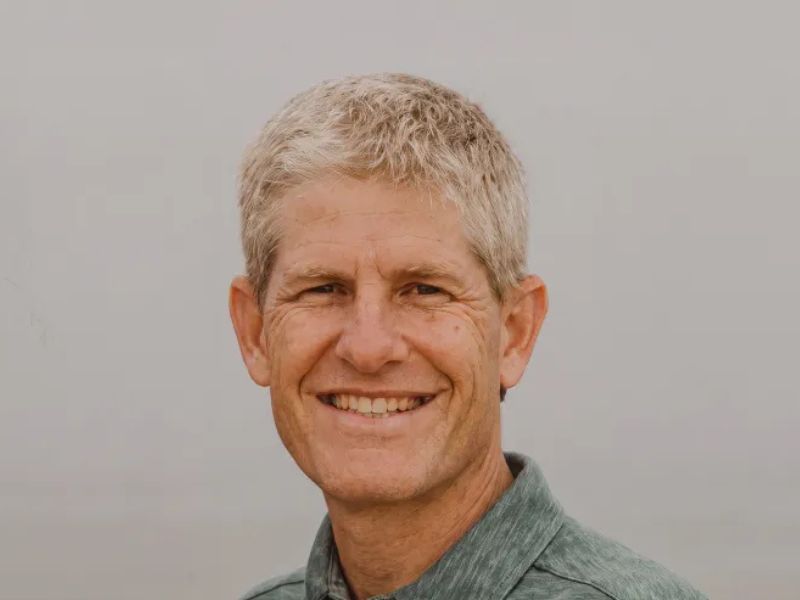
Seated on a bench bathed in the warm light of a Nigerien sun, Kevin Rideout, a 50-year-old American missionary pilot, felt the weight of the world slowly lift from his shoulders. After nine long months of captivity, the release he had yearned for was at last within his grasp, a moment bathed in relief and profound gratitude. On August 17, 2026, Serving In Mission (SIM) USA confirmed the joyful news of his freedom, proclaiming, “Kevin is in good health in the care of US officials,” and that a reunion with his wife Krista, their four children, and extended family was imminent.
His nightmare had begun on October 21, 2025, when three armed men snatched him just outside his home in Niamey, the bustling capital of Niger. Rideout was kidnapped a mere 100 yards from Niger’s presidential palace, a stark reminder of the growing threat posed by militant Islamic groups in West Africa. At that time, his wife Krista was at home, anxiously awaiting his return. The event shook not only his family but also the entire community, as fear gripped a region already suffering from a surge in violence and instability.
For nearly two decades, Rideout had borne witness to Niger's struggles—from providing supplies to missionaries and aid organizations to drilling wells in impoverished villages and teaching literacy to children eager for education. His dedication was unwavering; he had devoted his life to being a beacon of hope in a country challenged by adversity. His brother Ian also worked alongside him, sharing in the mission of uplifting those who faced harrowing circumstances. Rideout’s absence left a palpable void in the lives of his family, friends, and the many people whose lives he touched.
His release came after months of uncertainty enveloped by silence. Rumors began circulating that he was being held by militants linked to the Islamic State, who were notorious for their heinous acts across the Sahel region. However, the specifics surrounding Rideout's release remained behind a veil of secrecy. Reports indicated that he was in the custody of the FBI, but no further information was available about the negotiations or efforts that led to his freedom.
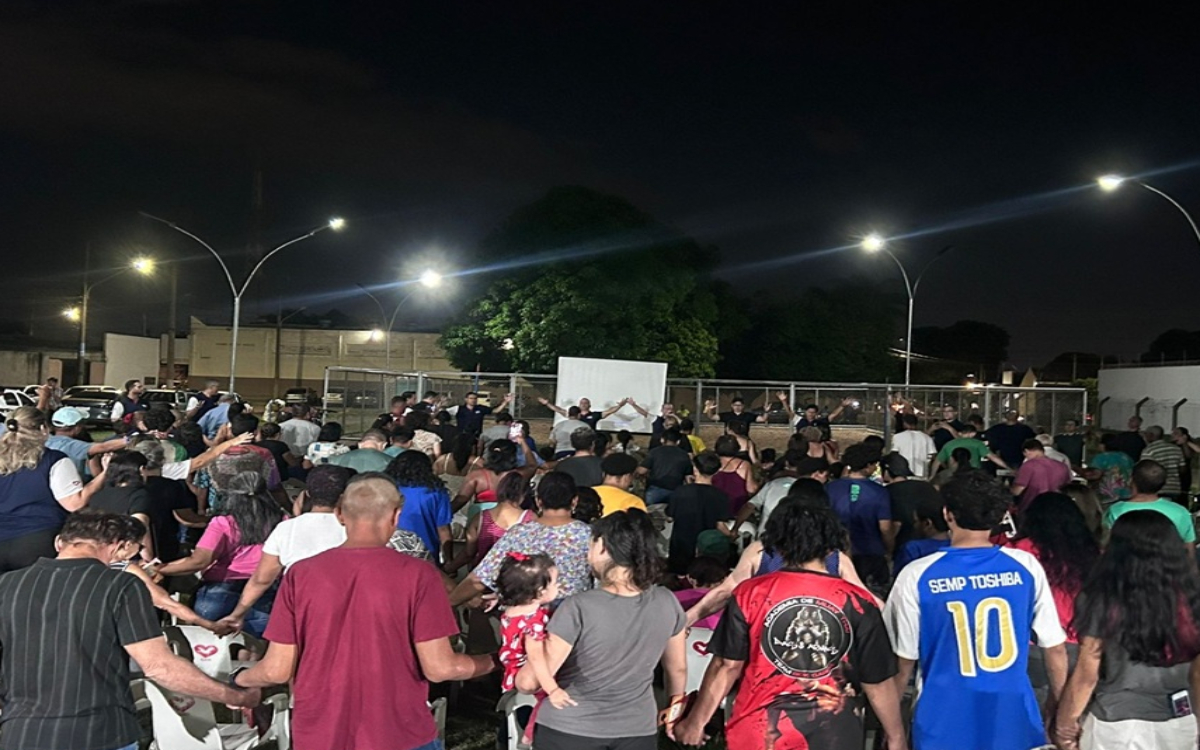
The families of other captives and the larger community of Niger watched closely, praying for him and for the continued safety of others who worked tirelessly to help the vulnerable. The local population often grappled with fears of abductions, and Rideout’s case served as a reminder of the all-too-real dangers present in their lives, even as they continued to strive for goodness amid darkness.
As news of Rideout's freedom spread, it rekindled hope among many who believe in the power of prayer and steadfast faith. His release is a testament to human resilience and the relentless desire for community and family, no matter the odds stacked against them. Now, as Kevin prepares to embrace his family, their reunion will certainly resonate beyond the personal sphere. It speaks to the broader struggle against violence pervading the region and highlights the importance of standing together against injustice and fear.
In the coming days, as the sun sets and rises over Niger, Kevin Rideout will relearn what it means to embrace life fully—a life once shadowed by fear but now illuminated by faith, love, and the profound strength of family.