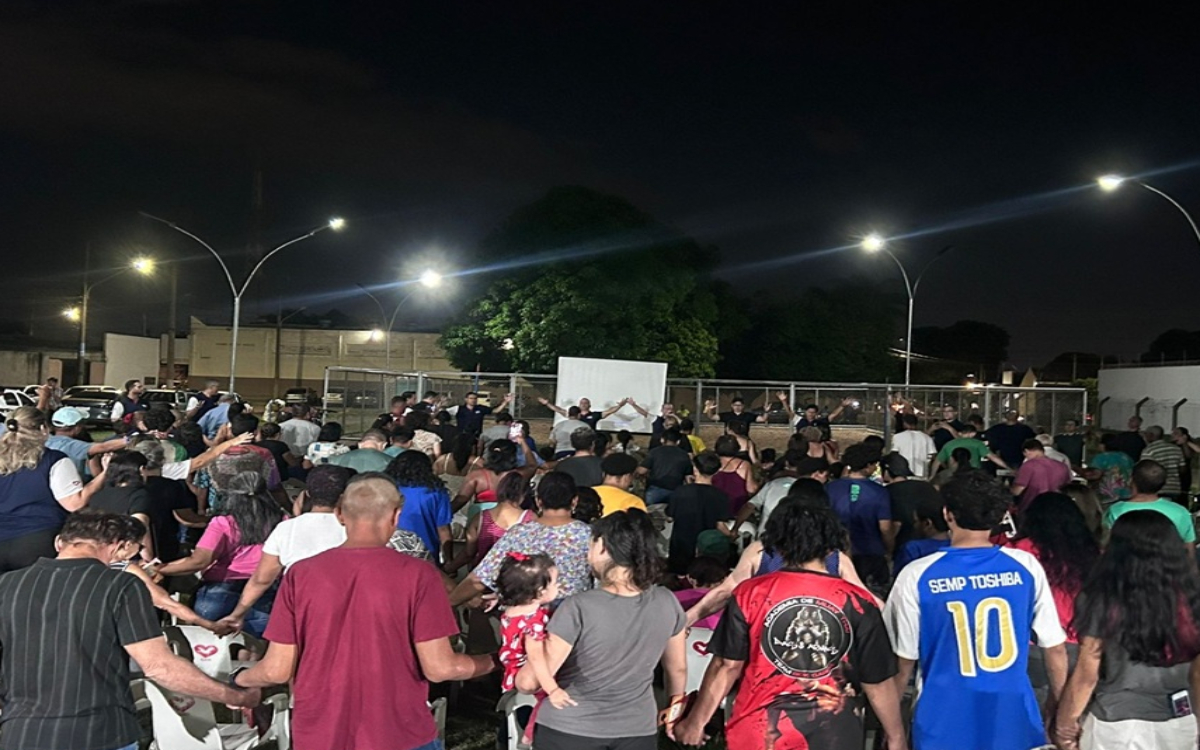
At a sun-drenched park in São Paulo, Brazil, a diverse group of individuals gathered with an unmistakable energy. Among them was 43-year-old Mariana Silva, a dedicated teacher and mother of two, whose face radiated joy as she shared stories of her recent battle with anxiety. A fervent believer, she described how her deepening communion with God transformed her life. “It’s as if a blanket of peace enveloped me,” she shared, her voice tinged with emotion. “What once felt like chaos now has a divine rhythm.”
This scene encapsulates a poignant truth explored in a recent study published by the Journal of Religion and Health. The study, which examined nearly 3,000 participants in Brazil over five years, revealed a striking correlation between spiritual wellbeing and physical health. Among those who reported higher levels of communion with God and prayer, 85% also noted significant improvements in physical and mental health. The researchers emphasized that when individuals foster a connection with God, they often find reduced symptoms of depression and anxiety, which in turn enhances overall health.
But why does such a profound connection yield measurable benefits? Dr. Carlos Mendes, one of the lead researchers, explained, “Faith provides the psychological frameworks that help individuals cope with stress, developing resilience against life’s challenges.” The study highlighted how faith not only encourages practices of gratitude and mindfulness, but also fosters a supportive community among believers that can serve as a crucial buffer against the hardships of life.
As Mariana continued to speak, she illuminated her journey of transformation. “Through prayer, I realized that my anxiety wasn’t just my burden; it was something I could hand over to God. I often recited Philippians 4:6-7, letting His peace guard my heart and mind. Every day became a new opportunity to trust Him.” Her words resonated with others present, each nodding, some even sharing their own experiences—of how scripture fueled their hope and provided clarity amid uncertainty.
One participant, Roberto, a 34-year-old entrepreneur, chimed in, illustrating a common thread among the group: “I thought I could manage everything alone, but surrendering my struggles to God lifted an enormous weight off my shoulders.” He described how joining a local church and engaging more deeply in prayer not only nourished his spirit but also enhanced his productivity at work.
The implications of the study sweep across societies and cultures, suggesting that collective spiritual practices can empower both individuals and communities. Studies have shown that engaged faith can lead to healthier lifestyles, with participants more likely to partake in activities such as exercise and community service—enhancing not just personal wellbeing but the wellbeing of others within one’s circle.
Back at the park in São Paulo, the gathering’s atmosphere was electric, filled with an undercurrent of hope. As the sun began to dip below the horizon, casting golden hues across the sky, those in attendance were left with more than just feel-good stories; they were equipped with tangible evidence to foster their faith. The implications of such findings are tremendous, encouraging believers worldwide to engage not only spiritually but also physically, knowing that each prayer and act of communal love contributes to overall health.
In the weeks that followed, this group of believers would meet regularly, diving deeper into scripture, sharing testimonies, and providing encouragement to one another. Their shared bond exemplified the beautiful union of faith and healing—a reminder to the world that communing with God can light the path to improved health, both physically and mentally, resonating with the assurance of Philippians 4:4: “Rejoice in the Lord always. I will say it again: Rejoice!” The journey of faith continues, and with it, a wider understanding of how we can walk in wholeness and peace.