In a dimly lit lab at the Kennedy Space Center, inventor Robin Murphy was surrounded by blueprints and models, her mind racing with ideas as she contemplated an ambitious project—the design of a waterless toilet meant for astronauts. It was 2005, the dawn of a new era in space exploration, and the need for efficient waste management systems in space was becoming more urgent. Every aspect of human habitation in orbit presented challenges, but through this innovative thinking, Murphy saw potential not just among the stars, but on Earth as well.
Here on our planet, the sanitation crisis claimed an astounding 2 million lives a year, with nearly a third of the world's population lacking access to adequate toilet facilities. Murphy, a pioneer in robotics and disaster response, felt a stirring in her spirit as she recalled her projects in Haiti. It was in the aftermath of the 2010 earthquake that she witnessed firsthand the devastation afflicted by poor sanitation, a moment that would forever alter the trajectory of her work.
Realizing the potential of her waterless toilet idea to address this pressing issue, she harbored a vision that extended far beyond the realms of space. Fueled by faith and determination, she would reimagine her invention to work in environments fraught with logistical challenges—recognizing that each day nearly 700 million people lived without basic sewage facilities. “I realized that what I was designing was not just for astronauts in space but for a whole world that desperately needs it,” she said, her eyes gleaming with purpose.
To bring her vision to life, Murphy partnered with a group of engineers and researchers dedicated to advancing sanitation solutions. Grounded in Scripture, particularly Isaiah 32:17, which talks about the security provided by justice, they set their sights on changing lives. Each project, each prototype, brought them closer to a humanitarian breakthrough that could save lives through safe sanitation.
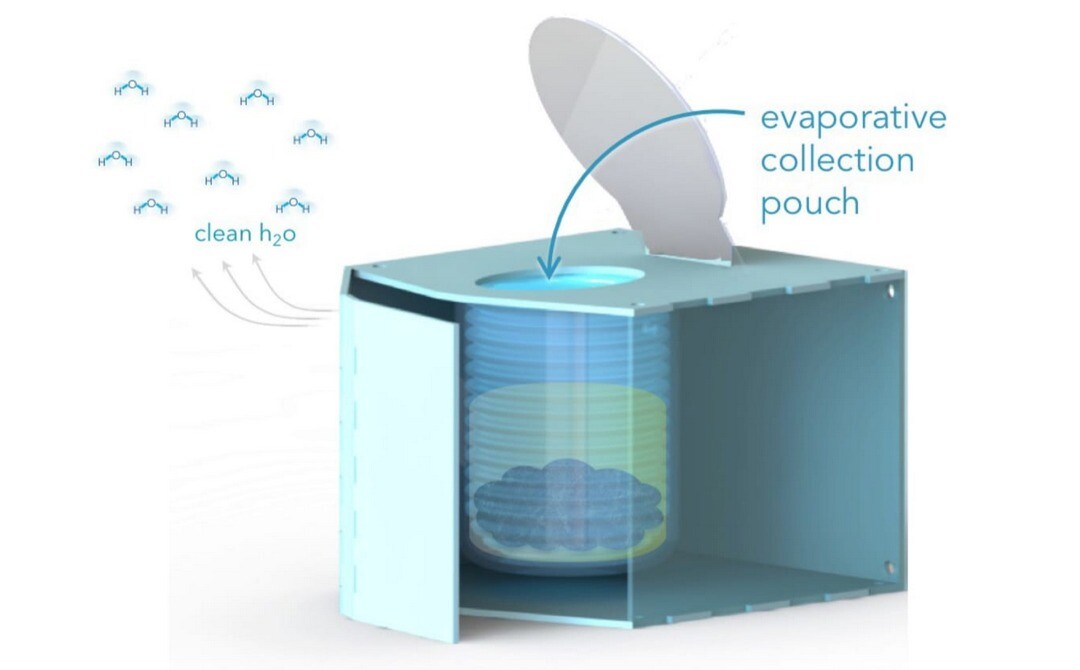
Her first prototype, dubbed the “Outhouse 2.0,” was a compact, chemical-free toilet, designed to decompose waste without the need for water. The simple structure utilized principles of aeration and decomposition, which not only reduced waste volume significantly but also transformed it into safe fertilizers; a precious resource in areas where land and soil had been deprived due to neglect of sanitation.
Murphy's team embarked on a pilot program in the rural regions of Haiti, deploying their toilets to families who had lost everything. The results were astounding. Within weeks of installation, not only did the incidence of disease decrease dramatically, but families also began to cultivate gardens using the treated waste, gradually reclaiming their lives and hopes. People were not just gaining access to sanitation—they were being empowered.
The impact soon echoed around the world. The concept of a waterless toilet began to garner international attention, drawing interest from governments and organizations looking to mitigate the growing sanitation crisis that afflicted billions. Murphy’s waterless toilets were heralded as a revelation, fostering healthier communities and nurturing the environment.
Yet Murphy remains humble, reminding us that the journey towards global sanitation is ongoing. “It's not just about toilets; it's about dignity, health, and hope,” she emphasized. “Our goal is to inspire more innovations and engage people to take action.”
As she continues to advocate for sanitation worldwide, Robin Murphy's remarkable odyssey weaves together science, faith, and compassion. It’s a story not just of invention but of transformation—one that highlights how a simple idea, born out of necessity and nurtured by love, can change the trajectory of whole communities. The journey ahead is daunting, but as Murphy reflects on the lives her invention continues to touch, she knows that with ingenuity and grace, a better tomorrow is within reach. “If we can inspire change, we will create a legacy of hope that extends far beyond today,” she says, ever committed to the power of her work.