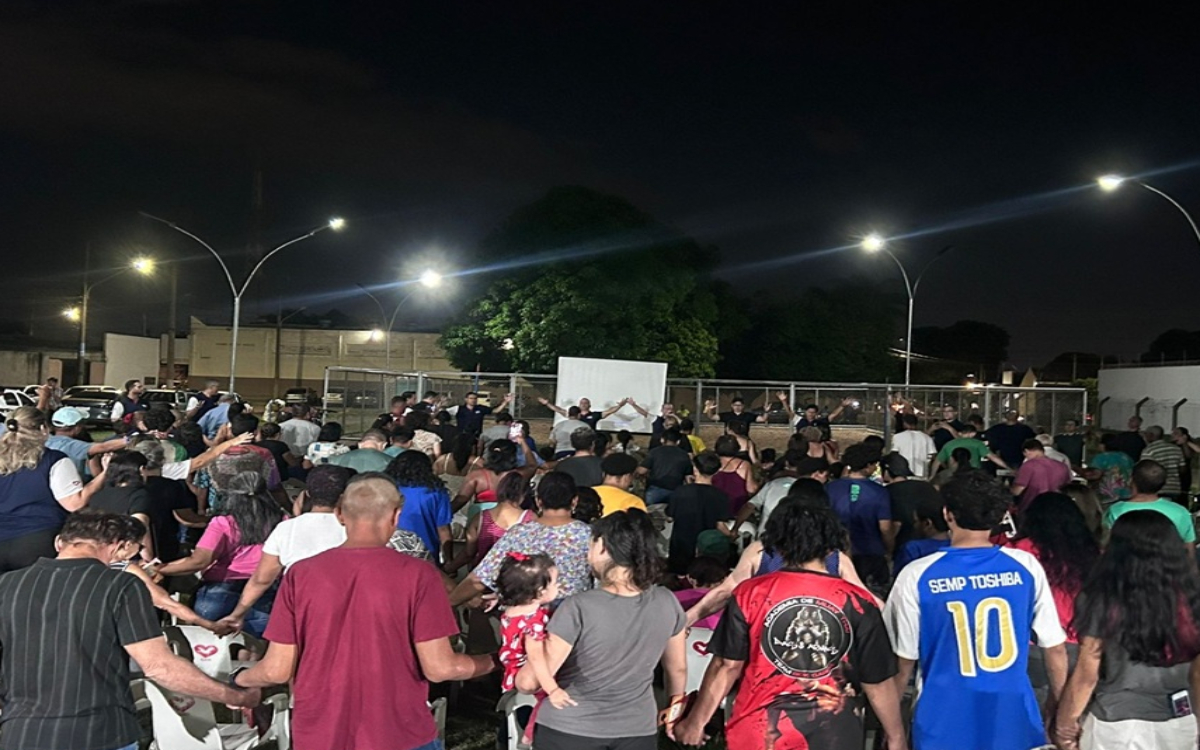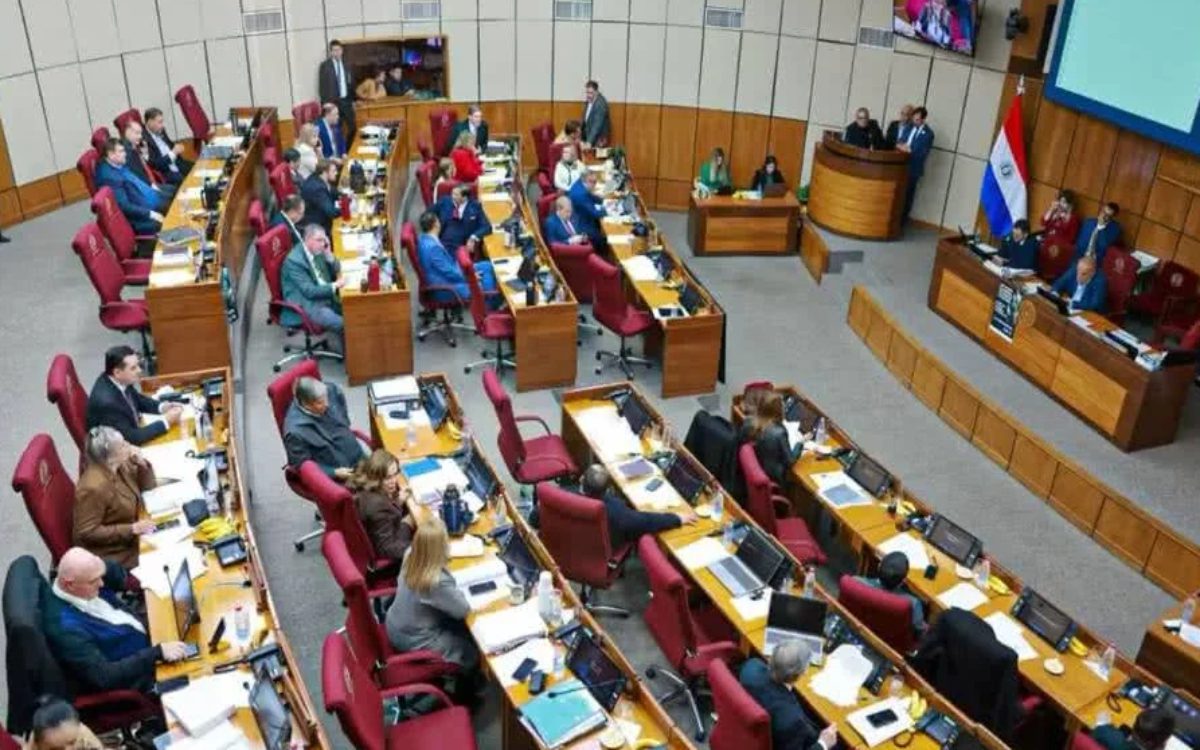
In the heart of Paraguay, the air buzzed with anticipation as lawmakers gathered on an unassuming Thursday morning, their desks littered with papers and the weight of their constituents’ hopes. On August 24, 2023, the Paraguayan Senate took a significant step forward for the evangelical community, voting in favor of establishing an official "Evangélico" Day to honor the contributions of Protestant Christians to the nation. As the senators cast their votes—33 for and 14 against—the implications of their decision echoed beyond the marble walls of Congress, rippling through the lives of millions who call Christ their Savior.
Senator Enrique Riera, a member of the Colorado Party and one of the primary advocates for the new holiday, stood resolute as he championed the cause during the session. He underscored the key principle behind the proposal: “A holiday to honor the importance of the Evangelical Church in our society.” For Riera, the vote was more than just legislation; it was a recognition of a community that has often faced challenges and marginalization. He highlighted the profound impact that evangelical churches have on social issues, particularly in the realm of child welfare and community help, showcasing how these faith-based congregations play a vital role in addressing societal needs.
The historical context of the Paraguayan evangelical community cannot be understated. With evangelical Christians comprising approximately 18% of the population, their influence stretches across various aspects of life, from the family to education and activism. This new holiday acknowledges not only their struggles but also their resilience and the strength of their faith. Riera’s advocacy reflects a wider movement among lawmakers to create inclusive space for the diverse expressions of faith within the country's cultural fabric.
Once the bill passed through the Senate, it headed to the Chamber of Deputies, where the prospects remained cautiously optimistic. Supporters were eager to see it advance, viewing it as an opportunity to enrich Paraguay's national culture. Their hope hinged on a trial to pass the spirit of unity, echoing Galatians 3:28, which speaks of all believers being one in Christ, regardless of background.
“As the evangelical community, we know our responsibilities,” said Riera after the vote, his voice carrying a sense of hope mixed with urgency. “The only thing left now is for the House to vote on it.” The urgency reflected an understanding that faith-based initiatives often face hurdles; yet, this moment felt different—a chance for a shared victory.
This push for recognition aligns with a broader global trend in which faith communities increasingly claim space within public discourse. Just as Paraguay seeks to honor its evangelicals, nations worldwide are grappling with similar questions of representation and acknowledgment within their cultural narratives. The potential establishment of "Evangélico" Day stands not just as a holiday, but as a beacon of hope, signaling a time when faith can thrive within the public sphere.
As the sun dipped below the horizon on that fateful day, discussions continued beyond the Senate floor, resonating within churches and homes across the country. Paraguay stood on the brink of embracing a new chapter where faith, community, and public life intertwine in greater harmony. The outcome in the Chamber of Deputies awaits, but already, seeds of hope and unity have been sown, reminding all that faith is not only a vehicle for personal salvation but a source of collective strength in the tapestry of national identity.
Looking ahead, the passage of "Evangélico" Day could spark a wave of appreciation and dialogue among all faiths in Paraguay. It’s a testament to the belief that nations grow stronger when diverse faiths are celebrated, lifting the hearts of their people towards greater understanding and unity. As Christians around the world witness this development, it serves as a reminder of the power of faith to inspire change, foster community, and, ultimately, bring light to the world.