As dawn broke over the picturesque landscape of America, hope unfurled like the petals of a flower blossoming in spring. This shining morning was not just any other day—it marked a significant moment for Protestant communities across the United States. The Barna Group, a leading research organization, had released a compelling report showing a surge in the number of Protestant churches, igniting excitement among believers and church leaders alike.
The scene is set in a vibrant church in suburban Atlanta, where pastors prepare for the Sunday service. Among them is Pastor Michael Greene, whose church, known for its revitalizing spirit, has been a beacon of hope amid societal challenges. According to the Barna report, from 2019 to 2022, Protestant churches have sprung up at an unprecedented rate. Approximately 21% of U.S. adults now identify with Protestant denominations, a noteworthy increase given the backdrop of recent declines in religious affiliation across various groups.
“This isn’t just about numbers,” Pastor Greene reflects, glancing at the enthusiastic congregation mingling in joyful anticipation. “It’s about lives transformed, families restored, and communities revitalized. When people find a place to belong, their hearts come alive.”
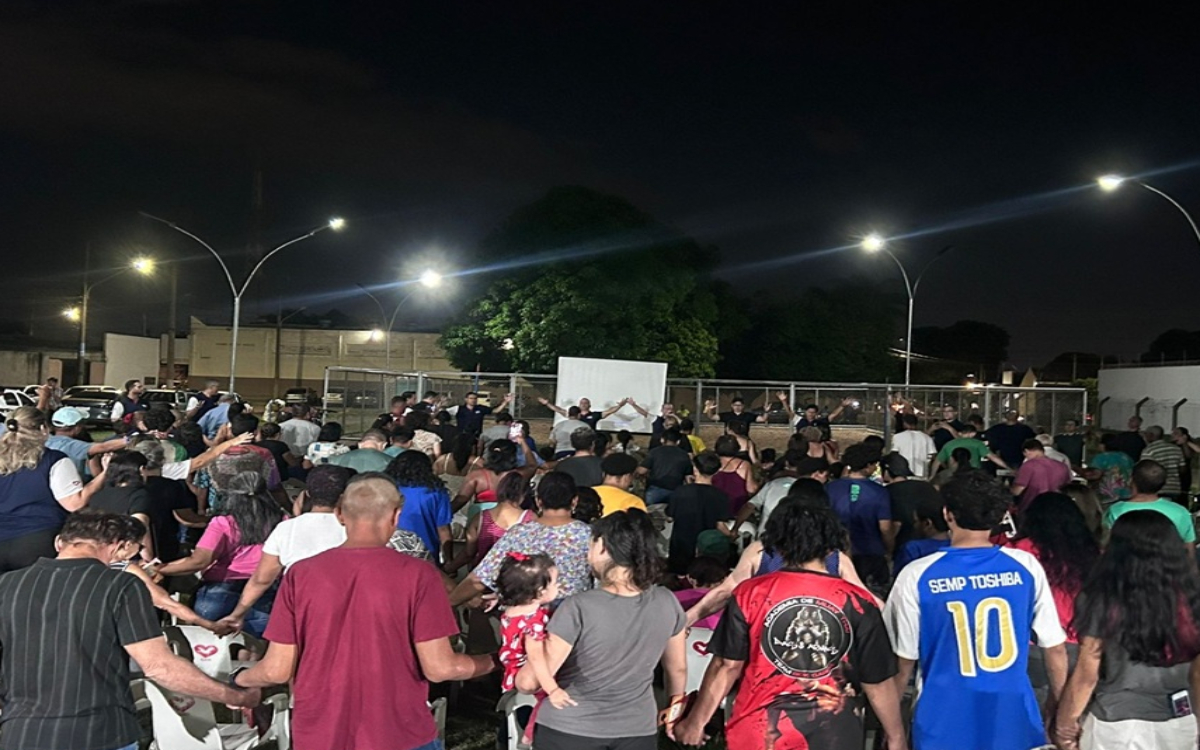
In the bustling streets of cities like Los Angeles and Chicago, the chorus of newfound faith echoes in the hearts of diverse congregations. Each newly established church tells its unique story of God’s grace—whether it be a small gathering in someone’s living room or a large congregation celebrating in a rented hall. For many of these communities, pivotal moments of revival mirror the sentiments expressed in Psalm 130:5, where the psalmist writes, “I wait for the Lord, my whole being waits, and in His word, I put my hope.”
The report also shines a light on the dedication and resilience of church planters. These modern-day missionaries face challenges, yet they remain steadfast in their mission to spread the Gospel. Emily Wright, a church planter in Texas, shared her journey: “It started with a small group of friends gathering for prayer and support. We were determined to create an inclusive environment for everyone seeking hope.” Currently, her church is expanding exponentially, with plans for outreach that encompass the local homeless population, youth programs, and community services.
Yet, amidst this growth, there is an urgent call to action for established churches. The Barna report highlights that while the number of Protestant churches is increasing, many existing churches struggle to maintain their congregations. Dr. John Smith, a church consultant, emphasized the importance of adaptability: “Churches must cultivate an environment where new believers feel equally valued and engaged. It’s not enough to grow; we must grow together in fellowship with His love.”
The report reveals that approximately 70% of Protestant congregations have shifted their outreach strategies during the pandemic, focusing on technology and social media. Worship services streamed online have engaged even those who might not otherwise enter a church, breaking barriers and fostering connections in a time of social distancing.
As the warm glow of evening settles over the Atlanta church, and the last notes of worship resonate in the air, excitement fills Pastor Greene’s heart for what lies ahead. With many congregations revitalized, believers stand strong in faith, walking boldly into the future.
As communities flourish and grow, one thing remains certain: in a world filled with uncertainty, the hope found in Jesus continues to spread. With Scripture as their foundation and dedication as their fuel, these churches are not just reviving old traditions; they are breathing new life into the body of Christ itself. With God’s guiding hand, the future indeed looks bright for the Protestant church in America.