On a sun-soaked afternoon in Sindhuli District, Nepal, the shadow of the Himalayas loomed large, but the life was overshadowed by distressing waters. Over the past weeks, relentless monsoon rains had transformed peaceful rivers into treacherous torrents, leaving behind a trail of devastation. Homes lay submerged; livelihoods washed away, leaving the residents grappling for hope as they faced the aftermath of severe flooding. The urgency in the faces of mothers clutching their children, the anguish in the eyes of farmers surveying their ruined crops—this was the reality on the ground.
In the midst of this turmoil, the heart of a compassionate international response beat strongly through the efforts of Samaritan's Purse, a Christian humanitarian organization dedicated to alleviating the suffering of those in need. Their emergency response began almost as soon as the rains subsided. Teams swiftly mobilized to provide essential aid—food, medical care, and spiritual support, all focused on bringing hope back to a battered community.
Samaritan’s Purse staff members set up shop in the region, working tirelessly to distribute food packs containing vital supplies. On the ground, local volunteers and Samaritan's Purse team members handed out these packs, filled with rice, lentils, oil, salt, and sugar, to families who had lost everything. “We had nothing left,” said Anita, a local mother looking for the spark of life to reignite in her children’s eyes. “This food gives us a little hope. It reminds us that we are not alone.”
In the days that followed, the organization's emergency teams worked diligently to assess the widespread destruction caused by the flooding. The floods affected over 12,000 people, damaging homes, schools, and health facilities. Providing immediate shelter was a necessity; thus, Samaritan's Purse coordinated the construction of temporary shelters and distributed blankets and hygiene kits infused with items like soap and toothbrushes. “Our primary focus is to serve those who have been affected, just as Jesus Christ serves us,” said Franklin Graham, the president of Samaritan’s Purse, during a briefing from the relief efforts. “Amid despair, we want to bring hope.”
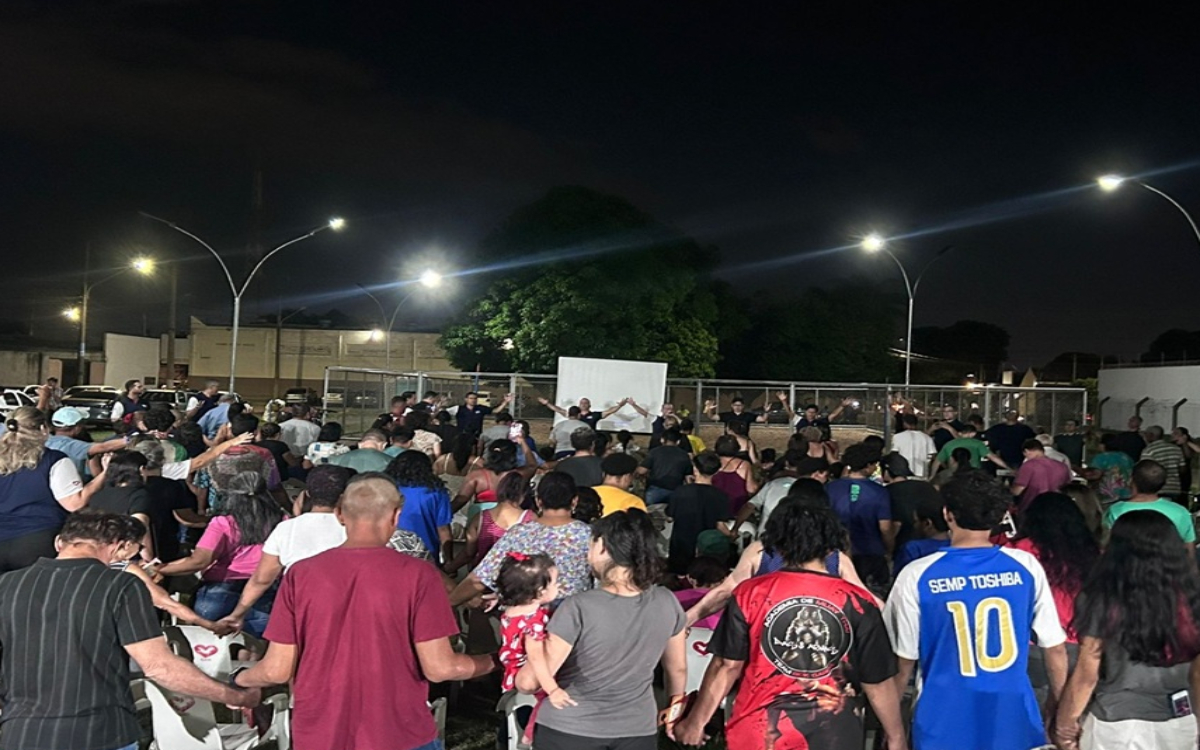
In partnership with local churches, the response also sought to address the profound emotional toll inflicted by the disaster. As team members reached out to communities, offering prayer and emotional support, the true essence of Samaritan’s Purse shone through. “We are not just here to provide food and shelter but to share the love of Jesus Christ,” shared one volunteer, pausing to comfort an elderly villager as she recounted her story of loss. For many, it was not just physical needs that required tending but the spiritual hunger for reassurance amid calamity.
The work of Samaritan's Purse did not stop with acute aid; it set the stage for longer-term recovery efforts to rehabilitate the affected communities. The organization emphasizes disaster response that encourages self-sufficiency—teaching farmers how to improve irrigation and conducting workshops that empower locals. This comprehensive approach weaves resilience into the fabric of recovery, ensuring that communities can rebuild stronger than they were before.
As the skies cleared in Nepal and hope began to peek through the clouds, the path forward remained challenging, with many hurdles yet to overcome. Yet, the spirit of solidarity and service persisted. Stories of survival and revival surfaced in Sindhuli District, as families began to heal, taking steps toward rebuilding their lives.
With every food pack handed out, every prayer offered, and every shelter built, the message remained clear: they were not alone, even amid the most daunting of storms. Looking ahead, the mission of Samaritan's Purse serves as a testament to the power of community, faith, and love—echoing the belief that no flood or adversity can ultimately wash away hope.