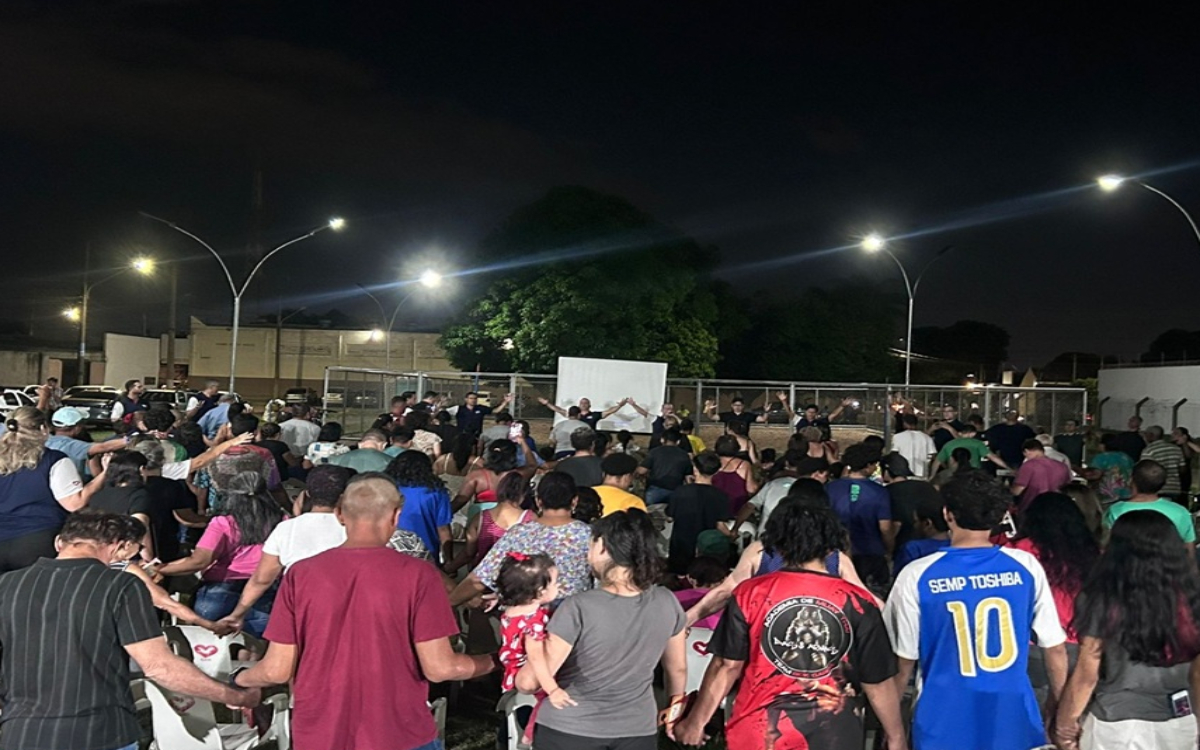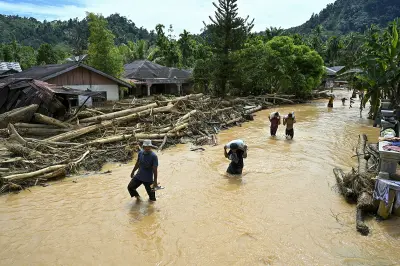
As the sun began to set over the still-warm streets of our coastal town, the echoes of a recent storm loomed large in the minds of the residents. It had been a week since the hurricane had ravaged the neighborhood, leaving destruction in its wake. Homes were damaged, families were displaced, and the community’s spirit was battered, but not broken. This was the moment when neighbors became lifelines for one another, and for many, their faith would be the anchor holding them steady.
Louisa, a local church volunteer, stood at the edge of a makeshift distribution center. Lined with crates of food and essentials, it was a hub of hope and resilience. With her heart set on serving her community, she greeted each person with a warm smile, offering a kind word alongside the supplies collected from nearby congregations. For Louisa, this wasn’t just about delivering groceries; it was about sharing the light of Christ in times of darkness. “We are called to love our neighbors as ourselves,” she said, visibly moved by the multitude of faces that passed before her. “This is what being a Christian is all about—being a helping hand in disaster.”
In the wake of calamity, believers around the world are often faced with the tough question: How should we act in times of disaster? After all, the Bible frequently reminds us of the importance of compassion and service. James 1:27 highlights the call for pure religion, urging us to look after orphans and widows and keep ourselves unpolluted from the world. In times like these, faith manifests itself not in grand gestures but in simple acts of kindness—serving meals, providing shelter, and lending a listening ear.
As Louisa handed out supplies, stories began to emerge that painted the canvas of the community's resilience. Families shared how their homes were made uninhabitable but hearts remained hopeful. The essence of Matthew 5:14 echoed in their actions; they were indeed a city set on a hill, refusing to be hidden. Churches organized prayer vigils and clean-up drives, mobilizing volunteers who came not only to offer assistance but to unite in faith and prayer.
Meanwhile, in a nearby neighborhood, an elderly man named Mr. Jenkins, whose house had seen better days, sat on his porch, reflecting on the storm's wrath. “Loss is a painful teacher,” he murmured, his voice tinged with sadness, “but it has also reminded us of the strength that comes from faith and community.” A group of young people approached, tools in hand, ready to help rebuild his fence—this was their way of living out Galatians 6:2, bearing one another's burdens.
Through such acts of kindness, hope was being restored, one neighborhood at a time. Local leaders worked tirelessly to organize relief efforts, reaching out to other cities and churches for support. Their focus wasn’t just on immediate needs, but also on the longer road to recovery and healing. They realized that scriptural teachings must be woven into their responses as they strove to embody the grace and mercy of Christ in their disaster response.
The resilience of this community was more than just human strength; it reflected a profound spiritual truth. Every prayer uttered, every meal shared, and every smile exchanged wove a tapestry of faith and hope. This was a reminder that in God's eyes, no act of kindness is ever too small, and no heart in despair is beyond His reach.
As the cleanup efforts continue, these believers are learning that while the road ahead may be long, they are not alone. “This is a chance for us to grow, to heal together,” Louisa concluded, her resolve shining through as she readied packs for the next group arriving. For faith has a way of transforming tragedy into testimony, forging connections that last well beyond any storm. In the wake of disaster, it calls us to rise up, to act, and to inspire, knowing they are part of a bigger story—a divine narrative of love and redemption.