It was a crisp morning in September 2023 when a team of archaeologists beckoned a new chapter in biblical history, announcing the identification of the ancient city of Bethsaida, known in the scriptures for being the home of the apostles Peter, Andrew, and Philip. The allure of this discovery stretched back over two millennia, the tales of Jesus echoing through the ruins that had long lain hidden beneath the surface of the earth.
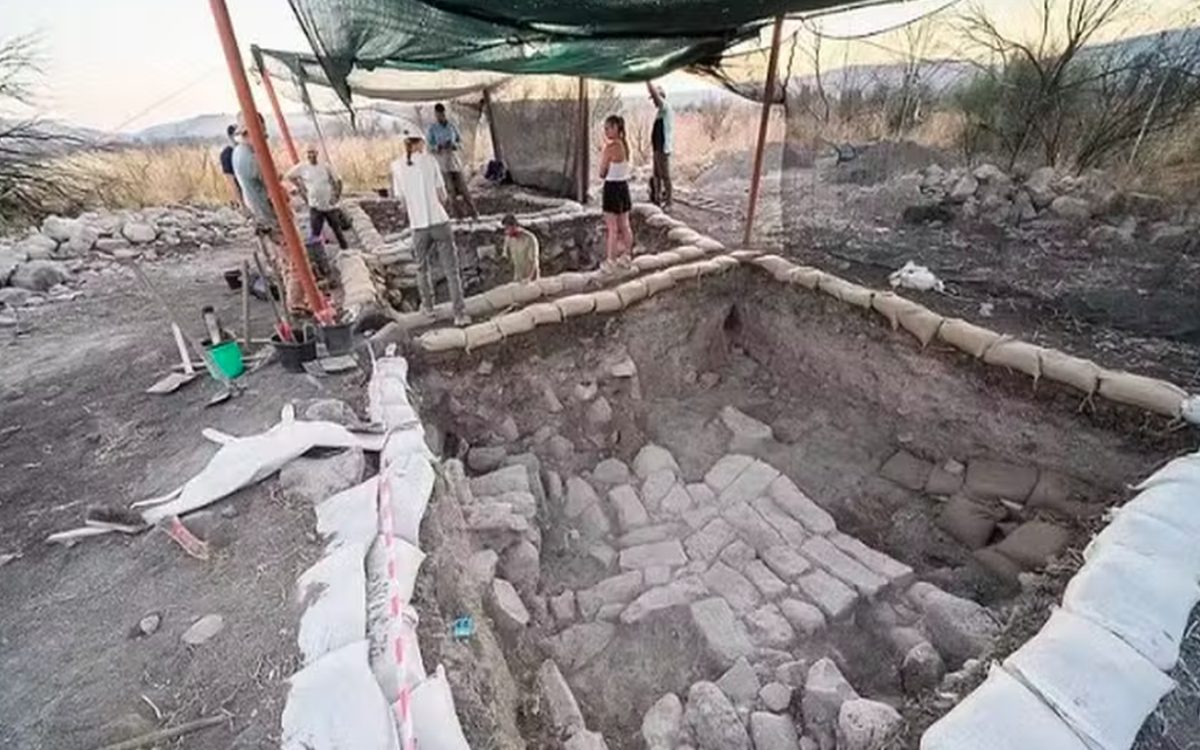
As the sun peeked over the horizon, a group of researchers, including Dr. Daniel Warner and Dr. Aldo S. Belloli from the University of Nebraska-Omaha, found themselves sifting through layers of earth near the northern shoreline of the Sea of Galilee in Israel. Their mission was not only academically ambitious but deeply spiritual; they aimed to unearth a site mentioned in the New Testament. “Our finds confirm biblical tradition,” remarked Dr. Warner, leaning down to brush the dust from a stone inscribed with ancient scripts. Each artifact told a story of faith, life, and the breath of history itself.
The remains of Bethsaida, once a thriving fishing village, had remained a point of contention among scholars for many years. While previous excavations yielded promising leads, it was Dr. Warner’s team that utilized cutting-edge technology and a fresh perspective to ultimately identify the site. They relied on a combination of geographical data and cartographic analysis, leading them to a region significantly different from the traditional understanding of Bethsaida's location.
“The historical and archaeological evidence aligns remarkably well,” Dr. Belloli shared with palpable excitement. As they meticulously documented their findings, the researchers laid eyes on the remnants of ancient buildings, pottery, and coins that bore witness to the city's bustling past. Not only did this site resonate with biblical narrative, but it also uncovered insights into the daily lives of its inhabitants.
Bethsaida, mentioned in the gospels of Matthew, Mark, and John, was characterized as a city of miracles. It was here that Jesus performed notable miracles, including the healing of a blind man and the feeding of the 5,000. Such acts created deep longings for connection and faith among the people, and this discovery rekindles those narratives, inviting modern believers to walk the ancient paths once trodden by the earliest followers of Christ. "I felt a chill," Dr. Warner recalled, “thinking that I was walking on the same ground where Jesus walked.”
This identification of Bethsaida comes at a moment when the Christian world is yearning for authentic connections to its roots in the ancient land of the Bible. With the rise of technology and digital engagement, more believers are seeking tangible connections to their faith, often turning to archaeology for narratives that resonate with their spiritual journeys.
As excavations continue, our understanding of biblical cities and their influence on early Christianity may evolve in significant ways. One can only imagine what further layers of history lie beneath the surface, waiting patiently for archaeologists to reveal them. Each artifact unearthed becomes a bridge—to the past, to the heart of faith, and to the communities that continue to draw inspiration from these ancient stories.
In the words of the Psalmist, “Your word is a lamp to my feet and a light to my path” (Psalm 119:105). As we bring more stories from the past into the light of day, may this discovery of Bethsaida illuminate the faith journey for many, reminding them of the enduring legacy of Christ and his early followers. The road ahead is paved with promise; with each turn, deeper understanding burgeons, binding the past to the present in beautiful and inspiring ways.