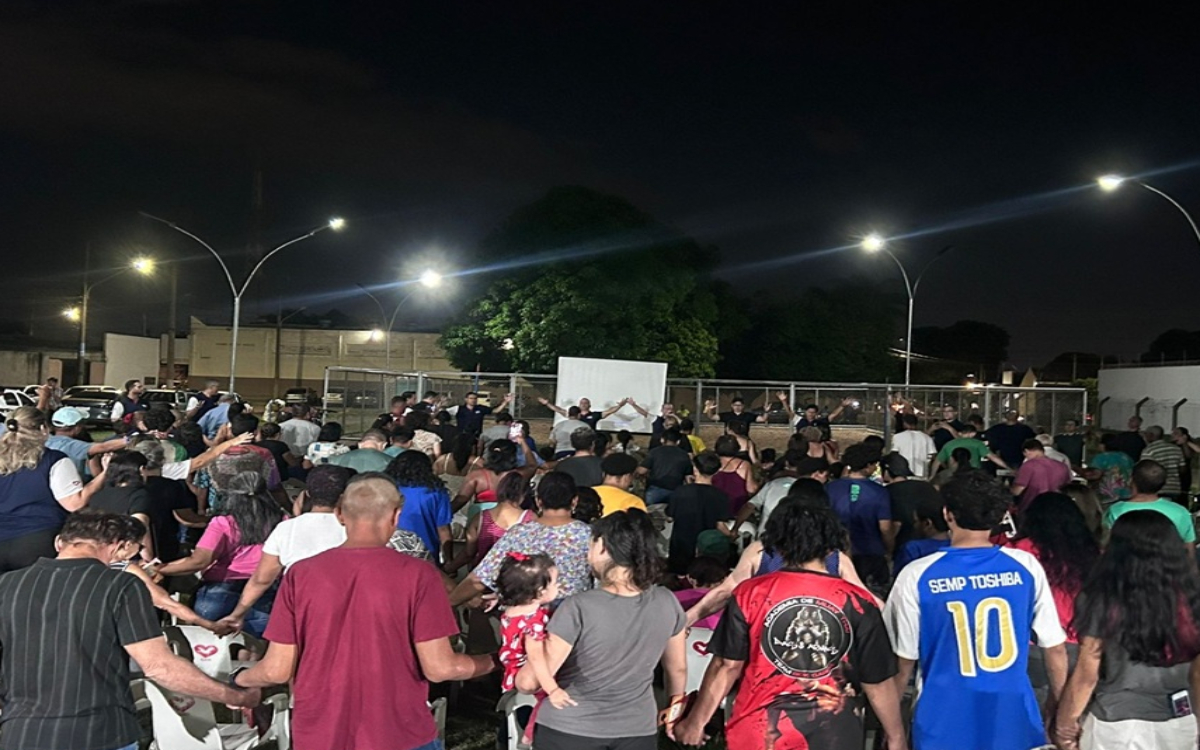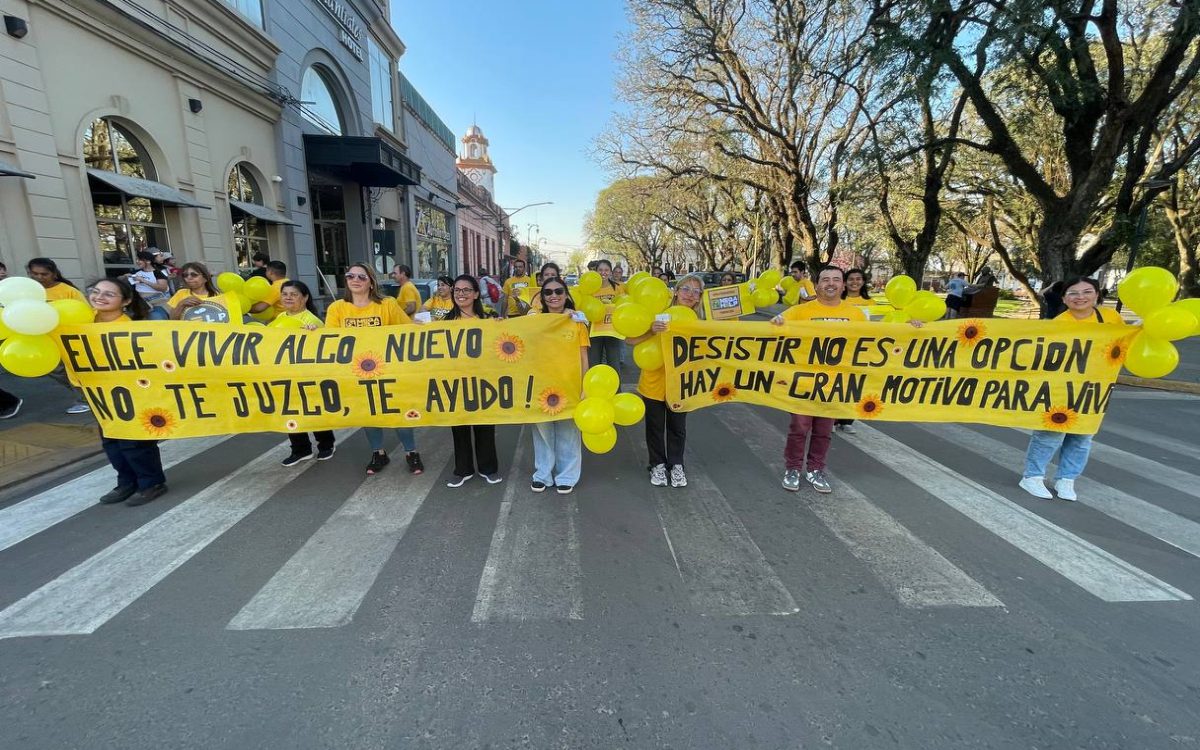
On a bright Saturday afternoon in Buenos Aires, a gathering of compassionate hearts and eager minds transformed a local community center into a hub of hope. The scent of freshly brewed coffee filled the air, mingling with the sound of laughter and the bustling chatter of volunteers engaged in earnest discussions. This was not just any ordinary day; it marked the launch of “Projeto Help,” an initiative organized by the Igreja Cristã Nova Vida, dedicated to addressing a crucial issue that weighs heavily on many hearts: suicide prevention.
As the clock struck noon, eager volunteers began trickling in, rallying around a shared mission: to guide their neighbors towards seeking help, while raising awareness about the often-hidden battles of emotional suffering. Among them was Mariana Torres, a member of the church and one of the event coordinators, whose warm smile belied the urgency of the cause they had gathered to champion. “It’s time we start talking about these things openly,” she said passionately, underscoring the importance of normalizing conversations about mental health in a society still shadowed by stigmas.
The need for such a project became painfully clear when considering the alarming statistics surrounding suicide in Argentina. With the nation’s suicide rate climbing—ranking as one of the highest in Latin America—the volunteers felt an urgent call to action. According to the World Health Organization, suicide is a growing concern in the country, especially among youth. Statistics revealed a staggering 10.4 deaths per 100,000 individuals as of 2021. The church and its volunteers believed they could stem this tide through conversation, support, and education.
As the event commenced, community members gathered around tables laden with brochures, informative flyers, and personal testimonials about the struggles with mental health. Each volunteer had undergone training to provide support, not just in terms of information, but also in fostering an environment of trust and understanding. Sarah, a local psychologist who collaborated on the initiative, presented practical strategies for addressing emotional distress. “It’s about equipping people with the tools they need to reach out, both for themselves and for others,” she explained, fervently advocating for the importance of kindness and empathy.
Throughout the afternoon, stories of resilience emerged. Participants shared personal experiences of loss and healing, weaving a tapestry of hope that resonated with every visitor. The highlight came when a young man named Javier stood up to speak. His voice trembled as he recounted a time in his life where despair had nearly consumed him. “I felt so alone, drowning in darkness,” he admitted, his honesty cutting through the gathering like a knife. “But I learned it’s okay to ask for help, and I’m here because there is always a chance for redemption.”
Applause erupted, a resounding affirmation of his bravery that echoed around the room, lifting the spirits of those present. Javier’s story painted the very essence of what “Projeto Help” aimed to do — shine a light in the shadowy corners of mental health struggles, offering hope where once there was despair.
As the sun began to set, casting a golden hue over the community center, the attendees left not only with pamphlets in hand but with a renewed sense of purpose. The event would not be a one-time occurrence; the Igreja Cristã Nova Vida committed to conducting regular outreach, fostering deeper connections within the community, and promoting ongoing discussions about mental health.
Looking ahead, Mariana and her fellow volunteers dream of a future where seeking help isn’t viewed as a sign of weakness but as a courageous act of strength. “Together, we can create a culture of openness, where despair can’t thrive,” she asserted, her eyes alight with determination. As they closed the day full of inspiration and camaraderie, it was clear that Projeto Help had planted a seed of hope, one that could grow and flourish, impacting lives far beyond the walls of the community center.