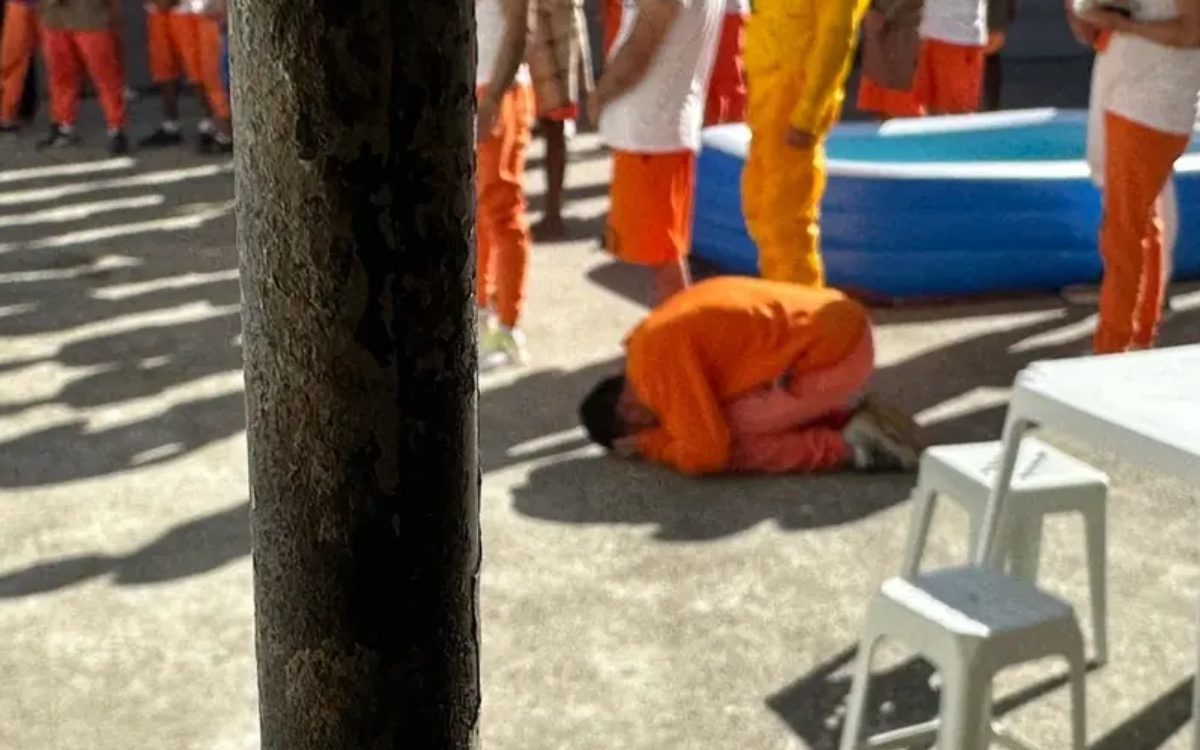
The sun hung low in the sky, casting a warm glow over the concrete walls of a prison in Paraná, Brazil, as the air filled with a mix of anticipation and hope. On September 23, a remarkable event was about to unfold within the cold confines of the Penal Institute of São José dos Pinhais. With hearts pounding and eyes gleaming, over 40 inmates were about to take a monumental step in their spiritual journeys—a baptism that would symbolize not just a ritual but a profound transformation amidst their struggles.
As the prisoners gathered, their conditions forgotten momentarily, the atmosphere was electric with a sense of renewal. The sound of water splashing mingled with muffled laughter and tears of joy. This was not just a ceremony; it was a declaration of faith. For many of these men and women, the act of being submerged in water held the promise of a new life, a way to leave behind the darkness of their past and step into the light of God's grace.
Elder Kleyton Gonçalves, one of the key figures in this transformative moment, narrated the stories that had led these inmates to this crucial juncture in their lives. “The number of prisoners who are willing to change their lives is growing,” he emphasized, his voice steady yet filled with emotion. These words painted vivid pictures of the struggle, despair, and, ultimately, hope that had blossomed within these walls. Commitment and belief in Christ were flooding hearts, igniting a desire for redemption and purpose among those who had felt lost for so long.
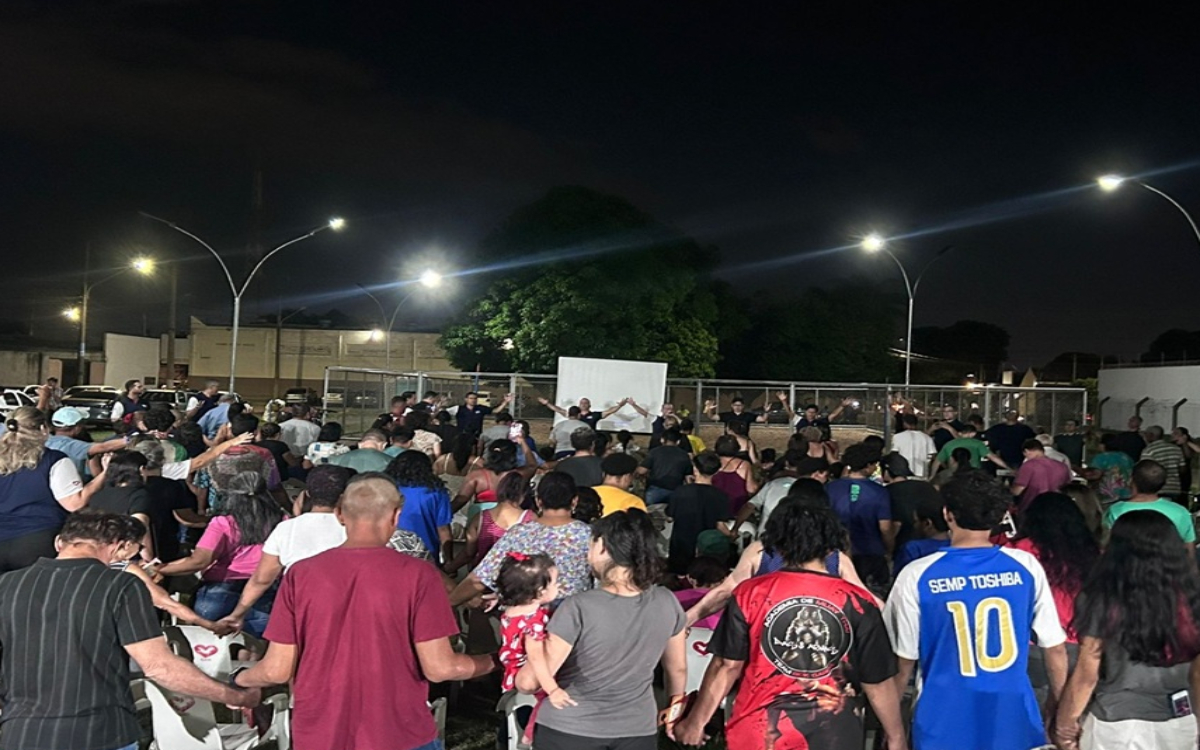
Each baptism was a personal journey; some of these individuals had spent years wrestling with their beliefs, while for others, this was the first glimmer of hope in a life marked by challenges. They stood in a line, dressed in white garments, each one focusing on the promise that awaited them. Bathed in prayer and encouragement from those witnessing the event—fellow inmates, chaplains, and family members—the scene radiated a sense of community and belonging that transcended the prison’s austere surroundings.
As the first inmate stepped into the baptismal waters, he paused to reflect before being immersed. “This is my moment to let go of my past,” he declared, his voice choked with emotion. The water enveloped him, and as he rose, a cry of joy erupted from the crowd. Chants of “Hallelujah!” rang out, mixing with the cries of the newly baptized, now washed clean and reborn. The sense of triumph was palpable; they were redefining themselves not just as prisoners but as sons and daughters of God.
This day was a catalyst for everyone involved. Elder Gonçalves shared a poignant truth, saying, “No one is so far gone that God cannot reach them.” With every person who emerged from the waters, the message of hope echoed louder: that salvation, forgiveness, and love were available even in the darkest of places. The words of Romans 6:4 resonated in the hearts gathered: “We were therefore buried with him through baptism into death in order that, just as Christ was raised from the dead, we too may live a new life.”
The ceremony drew to a close, yet the ripples of transformation would continue to surge long after the last inmate had exited the water. It was a collective testament that within the hardest of circumstances, God’s love abounds, and true redemption is possible. Those 40 inmates left the baptismal waters invigorated, each embracing a renewed purpose—each a testament to God’s ceaseless grace.
As the sun set behind the prison walls, casting long shadows that soon faded into twilight, the air remained thick with hope—a promise that even in the most challenging of situations, faith can flourish, and renewal is always within reach. Let us carry this message into our own lives, remembering that no matter where we are, with God, it is always possible to start anew.